
 1 Sep 2026
 10 min read
Choosing a breast pump for the first time can feel more complicated than expected. There are several pump styles, different ways to use them, and practical details that matter as much as the pump itself. The right choice depends less on finding a universally “best” option and more on matching the pump to your feeding plans, routine, comfort, and support needs.
What breast pump means in practice
A breast pump is a device used to express milk from the breast. Some parents pump occasionally, such as when they are away from their baby or want another caregiver to offer a feeding. Others pump regularly because expressing milk is a central part of their feeding routine.
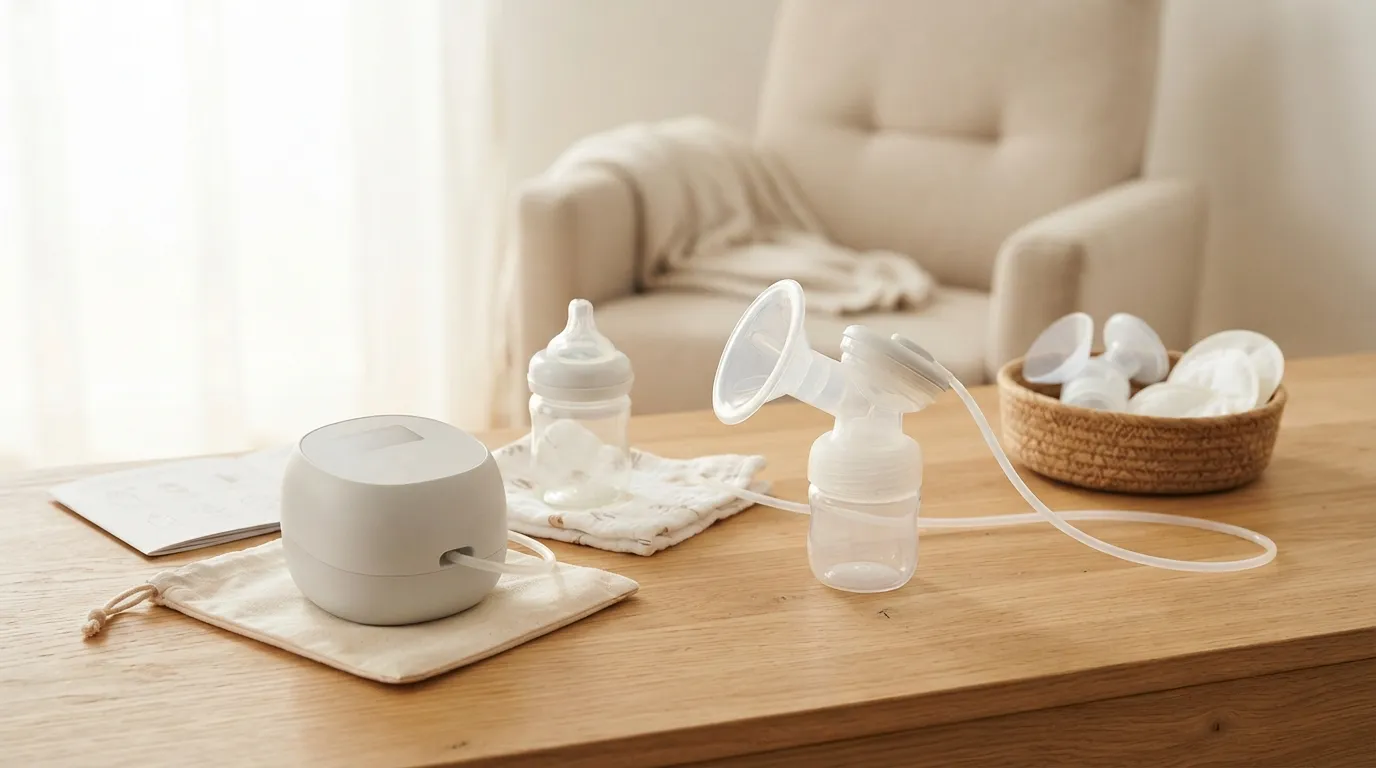
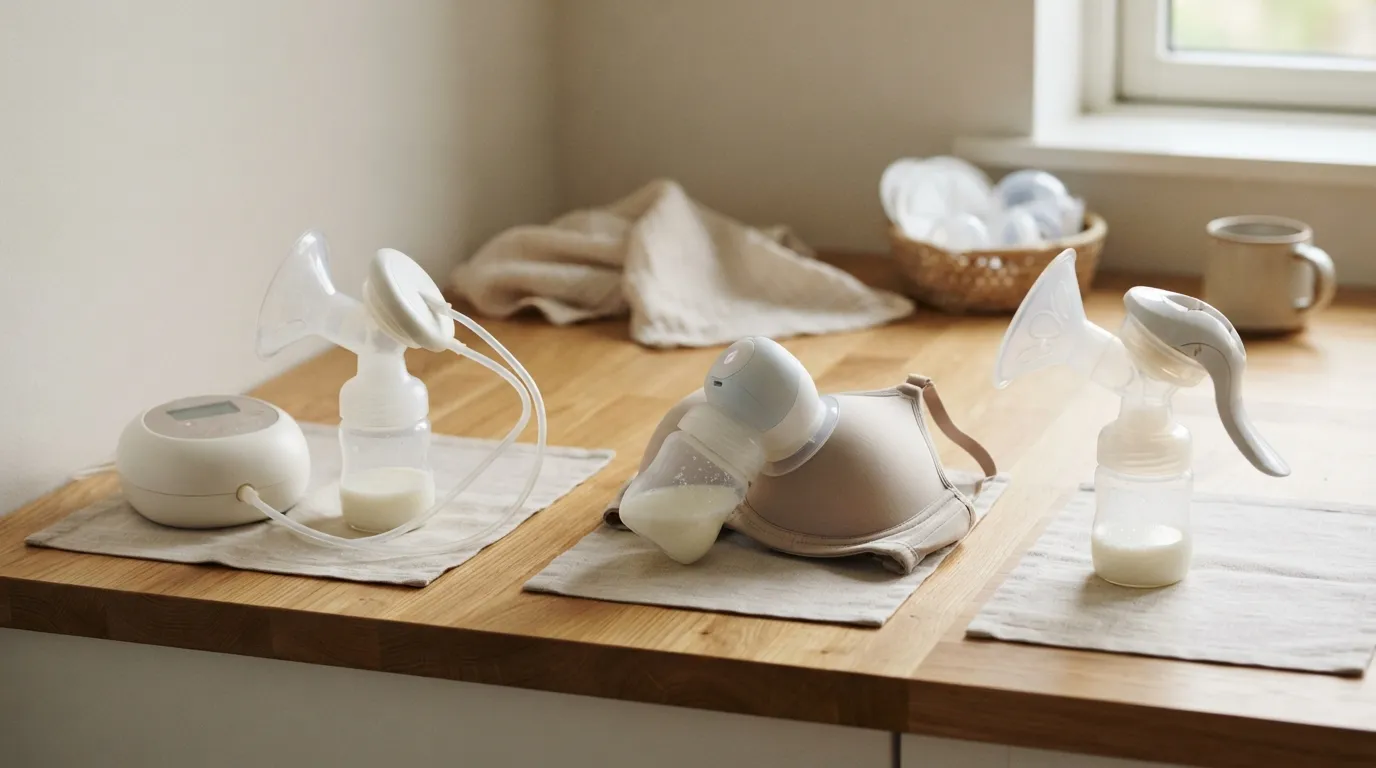
Breast pumps generally fall into four groups:
- Manual breast pumps, operated by hand
- Single electric breast pumps, used on one side at a time
- Double electric breast pumps, designed to express from both sides
- Wearable or hands-free breast pumps, designed to sit inside a bra or attach with minimal external tubing
Each type solves a slightly different problem. A manual pump may be useful for occasional expression or travel. An electric pump can be more practical for frequent use. A portable breast pump may suit parents who need flexibility, while a hands free breast pump can reduce the need to remain seated beside a traditional pump.
The important distinction is between convenience and suitability. A smaller pump is not automatically the best choice for every routine, and a more feature-rich breast pump may be unnecessary if you only expect to pump occasionally.
Before comparing breast pumps, consider how often you expect to express milk, where you will use the pump, whether you need to pump both sides, and how much cleaning and setup you are willing to manage.
How to think about breast pump
First-time buyers often begin by comparing brands or features. A more useful approach is to start with your daily situation. Your schedule, pumping frequency, access to power, comfort preferences, and storage routine will all influence which type of breast pump makes sense.
The core problem to understand
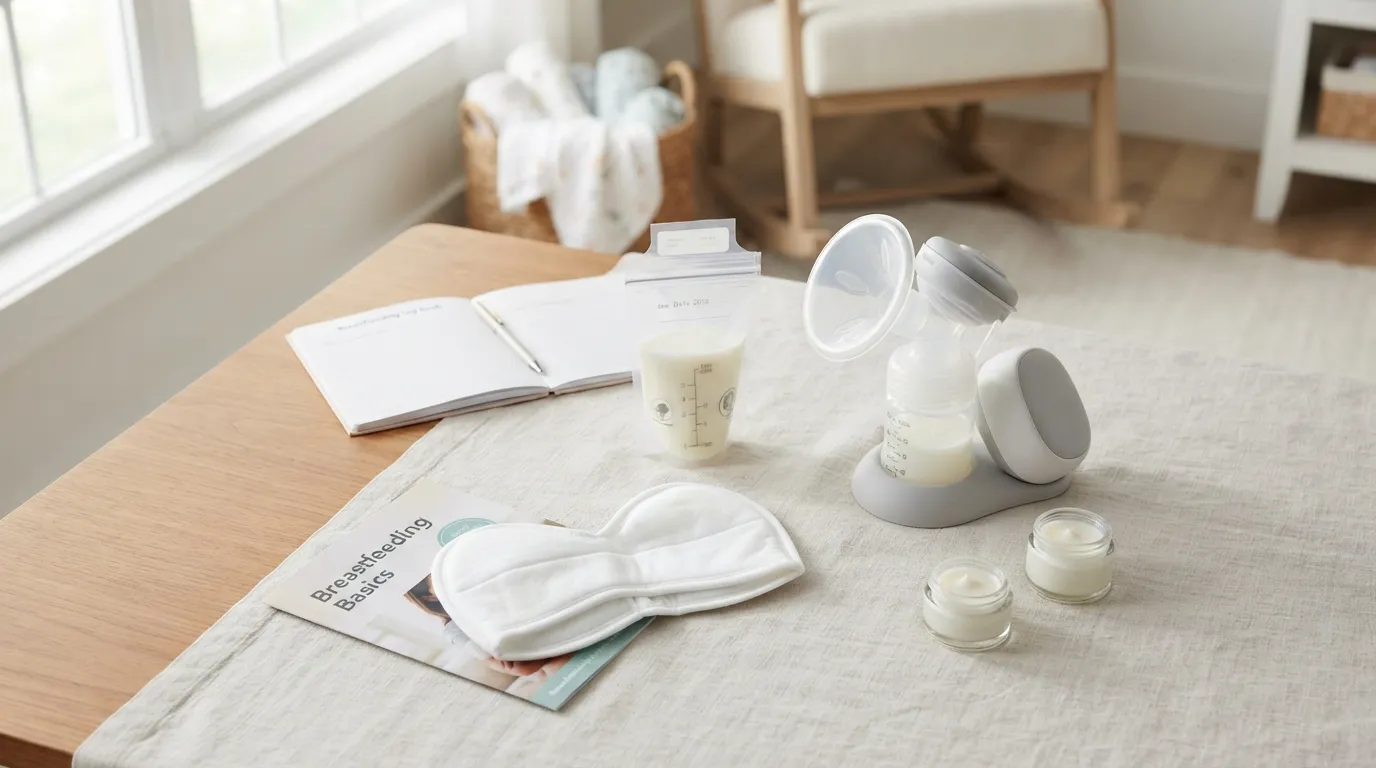
The core decision is not simply “Which breast pump is strongest?” It is “Which pump can I use comfortably and consistently for the way I plan to feed and express milk?”
A parent returning to work may care about portability, discreet setup, battery management, and cleaning between sessions. Someone pumping at home several times a day may place greater value on an efficient routine, easy access to replacement parts, and a comfortable fit. Someone who expects to pump only occasionally may prefer a simpler manual or single electric option.
It is also useful to separate three different needs:
- Milk expression: The pump must create a rhythm that works for your body and routine.
- Practical use: You should be able to assemble, operate, clean, and store it without unnecessary difficulty.
- Lifestyle fit: The pump should work in the places and situations where you expect to use it.
A portable breast pump may be attractive because it can be moved between rooms or used away from a wall outlet. However, portability alone does not tell you whether it will be comfortable, easy to clean, or suitable for your expected pumping frequency.
Likewise, a hands free breast pump may allow more freedom during a session, but it still requires correct positioning, charging or power management depending on the design, and regular cleaning of the milk-contacting parts.
If you are unsure where to begin, browsing the Olivia by Lolafo breast pump range can help you become familiar with the types of products and accessories available before narrowing your criteria.
The practical decision criteria
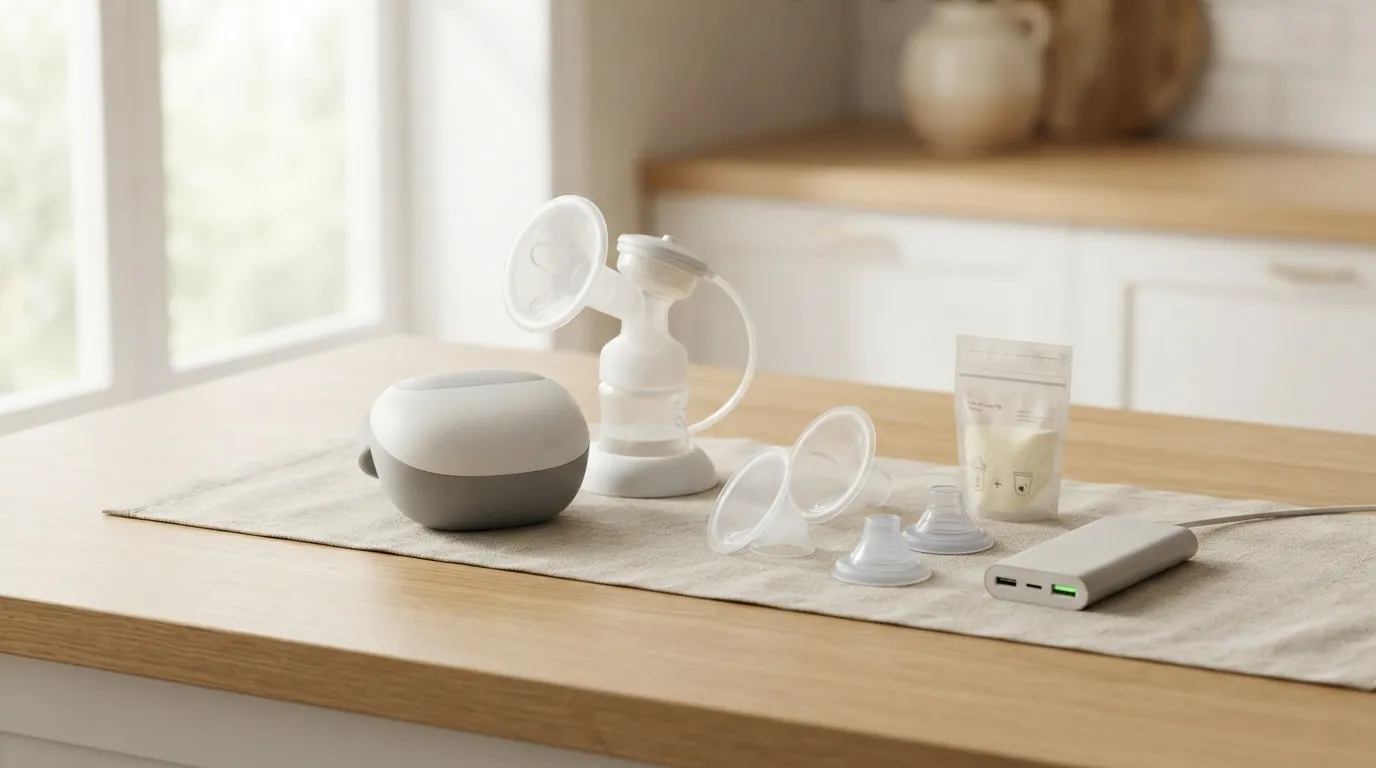
Use the following criteria to compare breast pumps in a structured way.
Expected frequency of use
Occasional pumping and regular pumping place different demands on your routine. For occasional use, simplicity and easy storage may matter most. For frequent use, comfort, repeatable setup, cleaning time, and access to replacement components deserve closer attention.
Try writing down when you expect to pump during a typical day. Include likely situations such as:
- At home
- At work or while travelling
- During the night
- After or between breastfeeding sessions
- When another caregiver is offering a feeding
This exercise can reveal whether you need a pump for backup, a primary breast pump for regular expression, or a flexible option for specific situations.
Manual or electric operation
Manual pumps do not require a power source and are often straightforward to carry. They may suit occasional use, travel, or parents who prefer direct control over the rhythm. The tradeoff is that operating the pump requires hand movement and may take more active effort.
Electric breast pumps reduce manual work and may be preferable for regular sessions. They can offer a more repeatable process, but they may involve charging, cables, more components, or a larger setup.
Neither category is automatically right for everyone. The best choice depends on how often you pump and how much setup you can comfortably accommodate.
Single or double expression
A single pump expresses from one side at a time. This can be sufficient for occasional pumping or for parents who want to focus on one side.
A double breast pump is designed for both sides in the same session. It may be worth considering if you expect to pump frequently or want a more coordinated routine. The tradeoff can include a larger setup, more parts to clean, and a greater need to plan where and how you will use it.
Portability and hands-free use
A portable breast pump is useful when you need to move around, travel between locations, or avoid being tied to a particular outlet. Look beyond size and ask whether it is easy to carry, assemble, clean, and protect from leaks during transport.
A hands free breast pump can be helpful when you want your hands available during a session. It may fit well into a routine involving light household tasks, desk work, or caring for an older child. Still, hands-free does not mean effort-free: fit, positioning, charging, milk transfer, and cleaning remain part of the process.
Comfort and fit
Comfort should be a central buying criterion rather than an afterthought. A breast pump that is difficult or uncomfortable to use may be harder to incorporate into a regular routine.
Check the available fitting guidance before purchase. If you experience persistent pain, skin irritation, swelling, or difficulty expressing milk, stop and seek advice from a qualified lactation professional or healthcare provider. A product guide cannot replace individual support.
Cleaning and assembly
Every milk-contacting component needs to be handled according to the manufacturer’s cleaning instructions. Before choosing a pump, consider:
- How many parts require washing
- Whether the parts are easy to identify and reassemble
- How you will allow them to dry
- Whether you can obtain replacement parts
- How you will transport clean and used components
A pump that looks convenient during use may become frustrating if its cleaning routine does not fit your day.
Milk storage and transport
Pumping is only one part of the process. You also need a plan for transferring, labelling, storing, and transporting expressed milk according to current professional guidance and the instructions provided with your storage products.
Olivia by Lolafo also focuses on breastfeeding and pumping essentials, so you can explore milk storage solutions alongside your pump research. Keep the pump and storage decisions connected: containers, bags, labels, and transport methods all affect how manageable the overall routine feels.
Noise, discretion, and setting
If you plan to pump around other people, consider how visible and noticeable the setup may be. A wearable or hands-free design may reduce cables and external equipment, but the exact experience depends on the product and the environment.
Think about where you will pump rather than assuming one format will work everywhere. A quiet private room, a shared workplace, a car, and a bedroom each present different practical requirements.
Common mistakes to avoid
First-time buyers often make decisions based on one attractive feature. Avoid these common mistakes:
Choosing by marketing language alone
Words such as portable, wearable, powerful, or hands-free describe a design intention, not a guarantee that the pump will suit your body or routine. Read the practical information and compare the full setup.
Ignoring the fitting process
A poor fit can affect comfort and the overall pumping experience. Review the manufacturer’s fitting instructions and seek professional help if you are unsure or uncomfortable.
Buying only for a future scenario
It is easy to purchase for every possible situation: work, travel, occasional use, frequent use, and emergencies. Start with the routine you realistically expect, then consider whether a second format may be useful later.
Forgetting the accessories
A breast pump may require storage containers, cleaning supplies, a carrying solution, charging equipment, or replacement components. Check what is included and what you would need to purchase separately without assuming that every package has the same contents.
Underestimating cleaning
A pump that is difficult to wash or reassemble can become a burden. Consider the complete cycle: disassemble, wash, rinse, dry, inspect, and reassemble.
Treating wearable pumps as universal replacements
A wearable breast pump can be a useful part of a pumping routine, but it may not be the best or only option for every parent. Some buyers may prefer a traditional electric pump at home and a portable or hands-free option for selected situations.
How to apply this to breast pump
Once you understand the categories, use a simple decision process.
Start by identifying your primary use case:
- If you expect occasional pumping, consider whether a manual or single electric breast pump provides enough simplicity.
- If you expect regular pumping at home, focus on comfort, repeatable operation, cleaning, and the ability to maintain a predictable routine.
- If you expect to pump away from home, prioritise portability, storage, power management, and discreet setup.
- If you need your hands available during sessions, compare hands-free designs while still checking fit, cleaning, and transport requirements.
- If you are not sure how often you will pump, choose a flexible starting point rather than buying based on the most demanding possible scenario.
Next, rank your top three criteria. For example:
- Comfort
- Easy cleaning
- Portability
Or:
- Regular home use
- Double expression
- Replacement-part access
Ranking criteria helps prevent one feature from dominating the decision. A compact design may be appealing, but not if it creates a cleaning routine you cannot maintain. A traditional electric pump may offer a more suitable home setup, while a portable breast pump could be useful as a secondary option.
You can also use this checklist before buying:
- How often will I probably pump?
- Where will most sessions take place?
- Do I need manual, electric, single, or double operation?
- Will I need to move around during sessions?
- How important are size and transport?
- What fitting information is provided?
- How many parts need cleaning?
- What storage products will I use?
- How will I charge or power the pump?
- Are replacement parts and accessories available?
- What support will I seek if pumping is painful or difficult?
If you are comparing options from Olivia by Lolafo, review the breastfeeding and pumping essentials with this checklist beside you. The goal is not to select the pump with the longest feature list; it is to choose an approach you can use comfortably and consistently.
A combination can also make sense. Some parents use one breast pump as their main home option and keep a manual or portable model for travel or occasional needs. Others prefer one pump that fits most situations. There is no need to decide based on another parent’s routine.
FAQ about breast pump
What is the most effective breast pump?
The most effective breast pump is the one that fits comfortably, supports your intended pumping frequency, and can be used consistently with manageable setup, cleaning, and storage.
What kind of breast pump is most effective?
The most effective type depends on your routine: manual pumps suit occasional simplicity, electric pumps suit regular sessions, and portable or hands-free pumps prioritise flexibility.
What should readers know first about breast pump?
Start with your expected pumping routine rather than product features. Frequency, location, comfort, cleaning, storage, and access to power usually matter more than choosing the most advanced design.
How do you choose the right breast pump approach?
Choose according to how often you will pump, where sessions will happen, whether you need one or both sides, and how much portability or hands-free use your day requires.
What mistakes should you avoid with breast pump?
Avoid ignoring fit, cleaning, replacement parts, and storage needs. Do not assume that a portable breast pump or hands-free design will suit every routine or replace every other pump type.
Is breast pump worth it for daily use?
A breast pump may be worthwhile for daily use when expressing milk is a regular part of your feeding plan and the pump’s comfort, setup, cleaning, and storage demands are manageable.
What should you compare before deciding on breast pump?
Compare pump type, expected frequency, comfort and fit, single or double use, portability, hands-free operation, cleaning, power needs, storage compatibility, and replacement-part availability.
Recommended next steps
Begin by writing down your likely pumping situations and ranking the features that would make those situations easier. Then compare breast pumps using the same criteria instead of moving from one appealing feature to another.
If you are still exploring the category, visit Olivia by Lolafo to review breastfeeding, pumping, and milk storage essentials in one place. Take time to check fitting guidance, care instructions, included accessories, and your plan for storing expressed milk before making a decision.
A breast pump should support your routine, not create an additional source of stress. The most practical choice is the one that matches how you expect to feed, pump, move through your day, and care for the equipment.
Meredith Calloway spent four years as a lactation support writer and product researcher before joining the Olivia by Lolafo editorial team, where she covers pumping gear, milk storage, and the unglamorous logistics of feeding a baby in the real world. She approaches every review and how-to the way she’d explain it to a friend texting from a parking lot — with specific numbers, honest trade-offs, and zero filler. Her work draws on published lactation research, hands-on product testing, and direct input from pumping communities including r/ExclusivelyPumping and IBCLC-reviewed sources. If a suction spec matters or a flange fit issue is being undersold by a brand, she’ll say so.
Leave a Reply