

 9 Sep 2026
 8 min read
Pumping more milk is usually less about finding a miracle setting and more about making a few repeatable improvements: effective milk removal, comfortable equipment, consistent timing, and realistic expectations. If you are dealing with a breast pump low milk supply concern, use the steps below to troubleshoot one variable at a time rather than making yourself pump painfully or constantly.
Quick answer: how to approach how to get more milk pumping
To learn how to get more milk pumping, start by checking your setup and flange fit, then use comfortable suction, pump consistently, and track total output over several days rather than judging one session.
A breast pump for increasing milk supply can support more frequent milk removal, but pumping more is not always the first or best step. If the flange is the wrong size, parts are worn, or the suction is uncomfortable, longer sessions may not improve output.
The goal is a routine you can maintain. A practical approach is:
- Check that the pump is assembled correctly.
- Confirm the flange fits comfortably.
- Use stimulation mode first, then increase suction only as comfort allows.
- Pump at consistent times.
- Review your daily total after several days.
- Adjust one factor at a time.
Pumping output can also vary with the time of day, how recently you last fed or pumped, stress, sleep, and your individual milk-storage capacity. A single small session does not automatically mean your supply is low.
Step-by-step process for how to get more milk pumping
Prepare the right setup
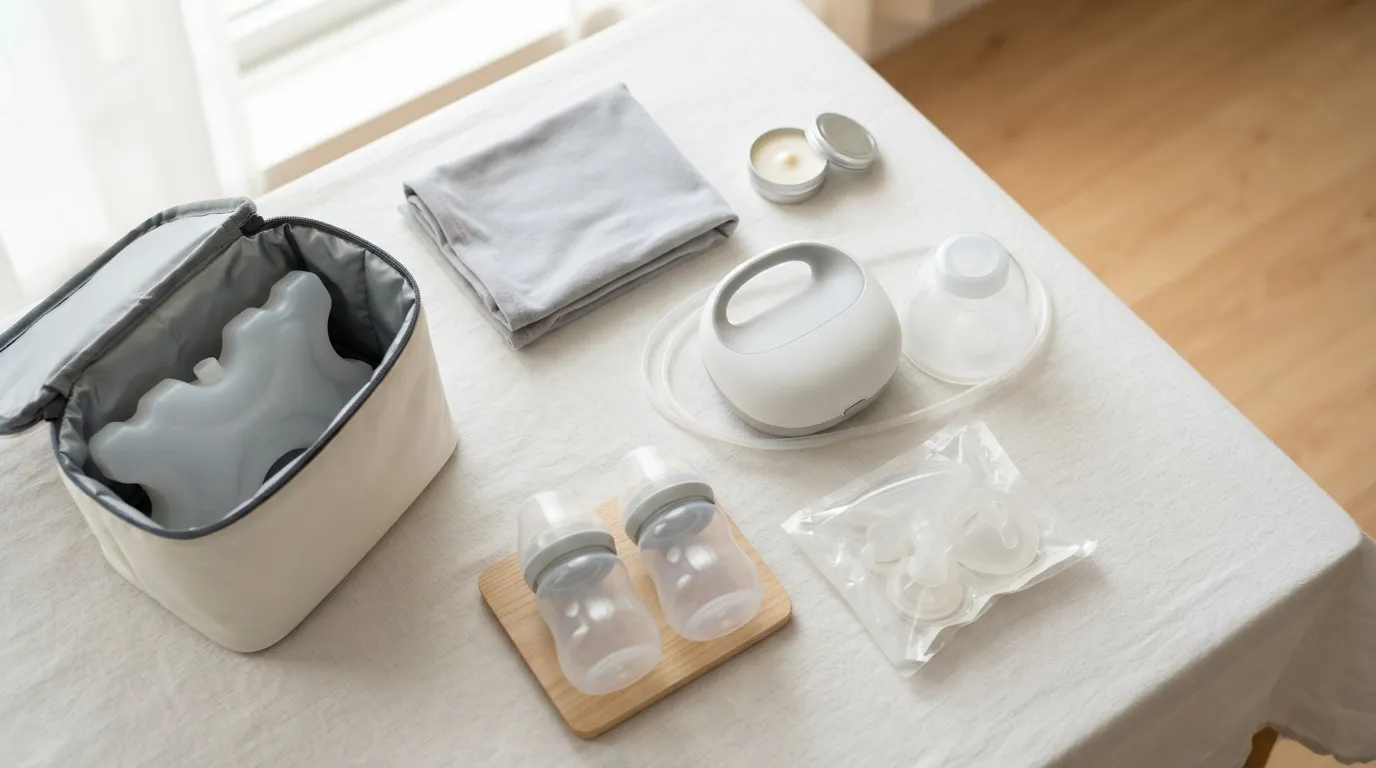
Begin with the equipment, because small setup problems can affect both comfort and milk removal.
Wash your hands and assemble the pump according to its instructions. Check that tubing, valves, membranes, bottles, and connectors are dry, correctly attached, and free from cracks or warping. If a part looks stretched, damaged, or less effective than before, replace it according to the manufacturer’s guidance.
Next, check the flange. Your nipple should move freely in the tunnel without excessive rubbing, and the breast should not be pulled deeply into the tunnel. The fit should feel comfortable during the session, without pinching, blanching, or persistent pain.
Because nipple and breast shape can change, the size that worked earlier may not remain comfortable. If you are unsure, a lactation professional can help assess fit. You can also review breastfeeding and pumping essentials from Olivia by Lolafo as part of preparing your routine.
Before starting, choose a place where you can sit comfortably and keep water, a clean cloth, and any needed pump accessories nearby. Reducing interruptions makes it easier to complete the session without rushing.
Check:
- Is every part attached securely?
- Are the valves and membranes in good condition?
- Is the flange comfortable on both sides?
- Can you sit with your shoulders and arms relaxed?
- Are you using the correct power source and a charged pump, if applicable?
Follow the core process
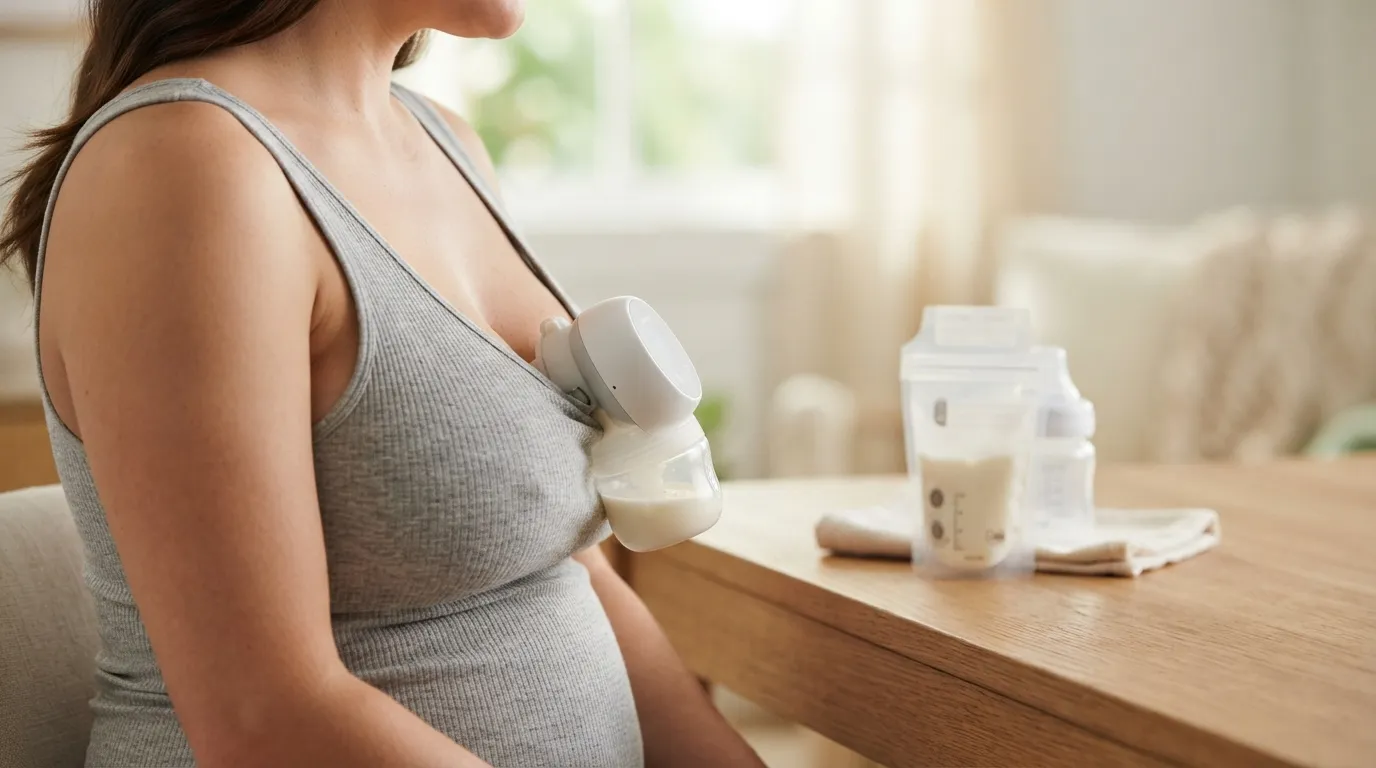
Start with the pump’s stimulation or let-down setting, if available. Use a low, comfortable level rather than beginning at maximum suction. Once milk is flowing, switch to expression mode and gradually increase suction only to the highest level that remains comfortable.
More suction is not automatically better. Pain, pinching, swelling, or skin irritation can make the session harder to sustain and may interfere with effective pumping. Comfort is a useful check throughout the process.
Pump on a consistent schedule that fits your feeding plan. If you are trying to increase milk removal, adding a manageable session or shortening long gaps may be more sustainable than making every session much longer. Follow guidance from your healthcare professional or lactation consultant if you are pumping for a newborn, returning to work, or managing a medical concern.
When flow slows, use gentle breast compressions or massage if they feel comfortable. Some people find that warmth before pumping, looking at their baby, or listening to a familiar recording helps them relax. These are comfort and let-down strategies, not guaranteed ways to increase supply.
If you are using a wearable pump, make sure it is positioned correctly and that the seal is comfortable. Wearable pumps can be convenient, but output may differ from a pump used in another setting. Compare your own results over time rather than assuming one type of pump will work identically for everyone.
For storage, label expressed milk with the date and follow current storage guidance from a trusted health authority. A suitable milk storage solution can help keep your routine organized, but storage supplies do not increase milk production themselves.
Check whether it is working
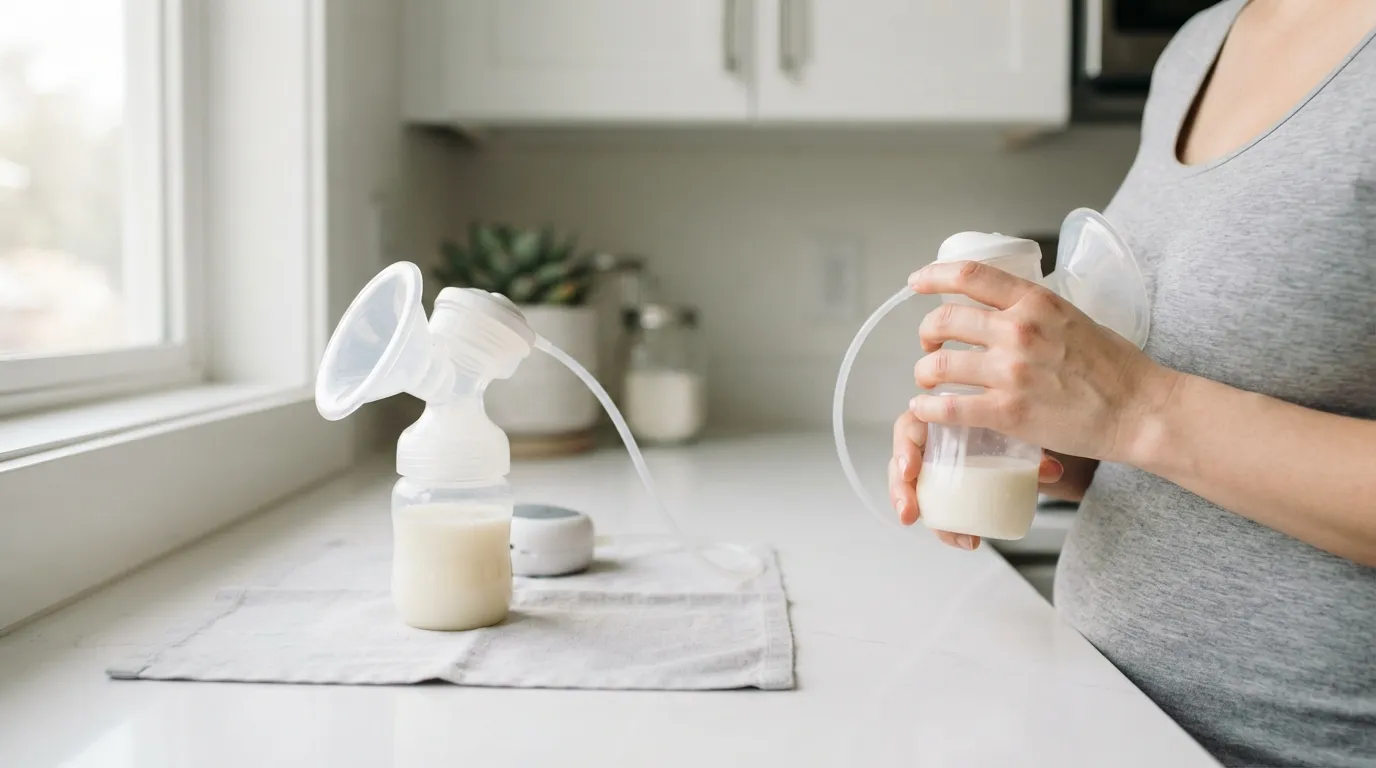
Avoid evaluating progress from one pumping session. Instead, record the approximate time, duration, side or sides pumped, and total amount for several days. Look for a trend in your daily total and comfort, not just the largest individual bottle.
Also note whether you are missing sessions, experiencing pain, seeing reduced suction, or changing several variables at once. These details can show whether the issue is scheduling, equipment, fit, or something that needs professional assessment.
Useful signs that your routine is improving include:
- Sessions feel more comfortable.
- Milk begins flowing more easily.
- You are completing sessions consistently.
- Your daily output becomes more predictable.
- You are spending less time troubleshooting equipment.
Output is not the only measure of breastfeeding success. If your baby is nursing directly, pumping volume may not represent the full amount of milk your baby receives. For concerns about weight gain, wet diapers, feeding behavior, or your overall supply, contact a pediatrician or lactation professional.
Avoid the common mistakes
The most common mistake is increasing suction until pumping hurts. Pain is a reason to pause and check flange fit, positioning, and settings, not proof that the pump is working harder in a useful way.
Another mistake is changing the schedule every day. Give one reasonable adjustment enough time to evaluate before adding another. Otherwise, you may not know which change helped or made the routine more difficult.
Also check for equipment problems. A breast pump low milk supply experience can sometimes be related to a loose connection, a worn valve, a damaged membrane, a blocked tube, or an incomplete seal. Compare the current pump performance with how it worked previously and inspect parts regularly.
Avoid relying on large amounts of water, special foods, or supplements as a substitute for effective milk removal. Drink to thirst and eat regular meals, but do not assume that forcing fluids will solve breast milk supply low when pumping.
Finally, do not compare your bottle with someone else’s. Pumping response varies widely, and a larger amount in one session does not establish what your body should produce.
When to adjust your how to get more milk pumping approach
Adjust your approach when a change is uncomfortable, impossible to maintain, or produces no useful improvement after a consistent trial. Start with the simplest variable: equipment condition, flange fit, suction comfort, or timing.
If pumping is painful, stop and reassess rather than pushing through. Persistent nipple damage, breast redness, fever, severe tenderness, or flu-like symptoms warrant prompt medical advice.
Seek additional support if:
- Your output has dropped suddenly without an obvious equipment or schedule change.
- You are worried that your baby is not getting enough milk.
- Pumping remains painful despite checking fit and settings.
- You are exclusively pumping and cannot maintain the needed volume.
- You are recovering from illness, childbirth complications, or breast surgery.
- You are considering medication or supplements to affect supply.
A lactation consultant can observe positioning, review your schedule, and help distinguish a true supply issue from a pump-fit or milk-removal issue. Your healthcare professional can also assess medical factors that may affect production.
If your current routine requires constant pumping and leaves you exhausted, the right adjustment may be to set a sustainable target with professional guidance. More milk is not the only goal; your physical and mental well-being matter too.
FAQ about how to get more milk pumping
How to quickly increase milk supply pumping?
The most practical starting point is consistent, comfortable milk removal: check fit and parts, avoid painful suction, and reduce long gaps where possible. Rapid changes are not guaranteed.
Why am I not getting enough milk when pumping?
Possible reasons include flange discomfort, worn parts, an incomplete seal, inconvenient timing, stress, or normal variation in pumping response. Review the setup before assuming you have a breast pump low milk supply.
Will I produce more milk if I pump more?
Pumping more often can signal a need for more milk for some people, but results depend on effective removal, health, feeding patterns, and consistency. More sessions are not useful if they cause pain or exhaustion.
What should readers know first about how to get more milk pumping?
Start by checking comfort, flange fit, pump parts, and suction settings before adding sessions. A reliable routine is usually more helpful than an extreme schedule.
How do you choose the right how to get more milk pumping approach?
Choose the smallest change that addresses your likely problem and that you can repeat consistently. Compare comfort and total daily output, then adjust based on your results.
What mistakes should you avoid with how to get more milk pumping?
Avoid maximum suction, poorly fitting flanges, neglected replacement parts, long unpredictable gaps, and judging your supply from one bottle. These mistakes can make a breast pump low milk supply concern harder to troubleshoot.
Is how to get more milk pumping worth it for daily use?
It can be worthwhile when pumping supports your feeding plan and remains comfortable and sustainable. A breast pump for increasing milk supply should fit your real schedule rather than create constant stress.
What should you compare before deciding on how to get more milk pumping?
Compare comfort, flange fit, pump condition, session timing, daily output, and the time required. These factors are more useful than chasing a particular setting or comparing your volume with someone else’s.
Recommended next steps
Choose one session today to review from start to finish. Check the flange, inspect the valves and membranes, confirm the seal, and use the highest comfortable suction rather than the strongest available setting.
For the next several days, keep your schedule as consistent as possible and record total daily output. If results remain low, make one change at a time: replace questionable parts, reassess flange fit, adjust timing, or seek lactation support.
You can also explore pumping accessories for a more manageable routine from Olivia by Lolafo, while remembering that accessories are only helpful when the underlying fit, comfort, and schedule are working for you.
If breast milk supply low when pumping is accompanied by pain, sudden changes, or concerns about your baby’s intake, contact a qualified healthcare professional rather than trying to solve the issue through more suction or longer sessions.
Meredith Calloway spent four years as a lactation support writer and product researcher before joining the Olivia by Lolafo editorial team, where she covers pumping gear, milk storage, and the unglamorous logistics of feeding a baby in the real world. She approaches every review and how-to the way she’d explain it to a friend texting from a parking lot — with specific numbers, honest trade-offs, and zero filler. Her work draws on published lactation research, hands-on product testing, and direct input from pumping communities including r/ExclusivelyPumping and IBCLC-reviewed sources. If a suction spec matters or a flange fit issue is being undersold by a brand, she’ll say so.
Leave a Reply