
 7 Aug 2026
 5 min read
Starting to pump for the first time raises a lot of questions, and most of them come up before you ever open a box. This FAQ covers the practical stuff: when to start, what type of pump fits your life, how to avoid the most common beginner mistakes, and whether a wearable pump can carry the full load. Answers are kept short so you can find what you need and move on.
Quick answers about breast pumps
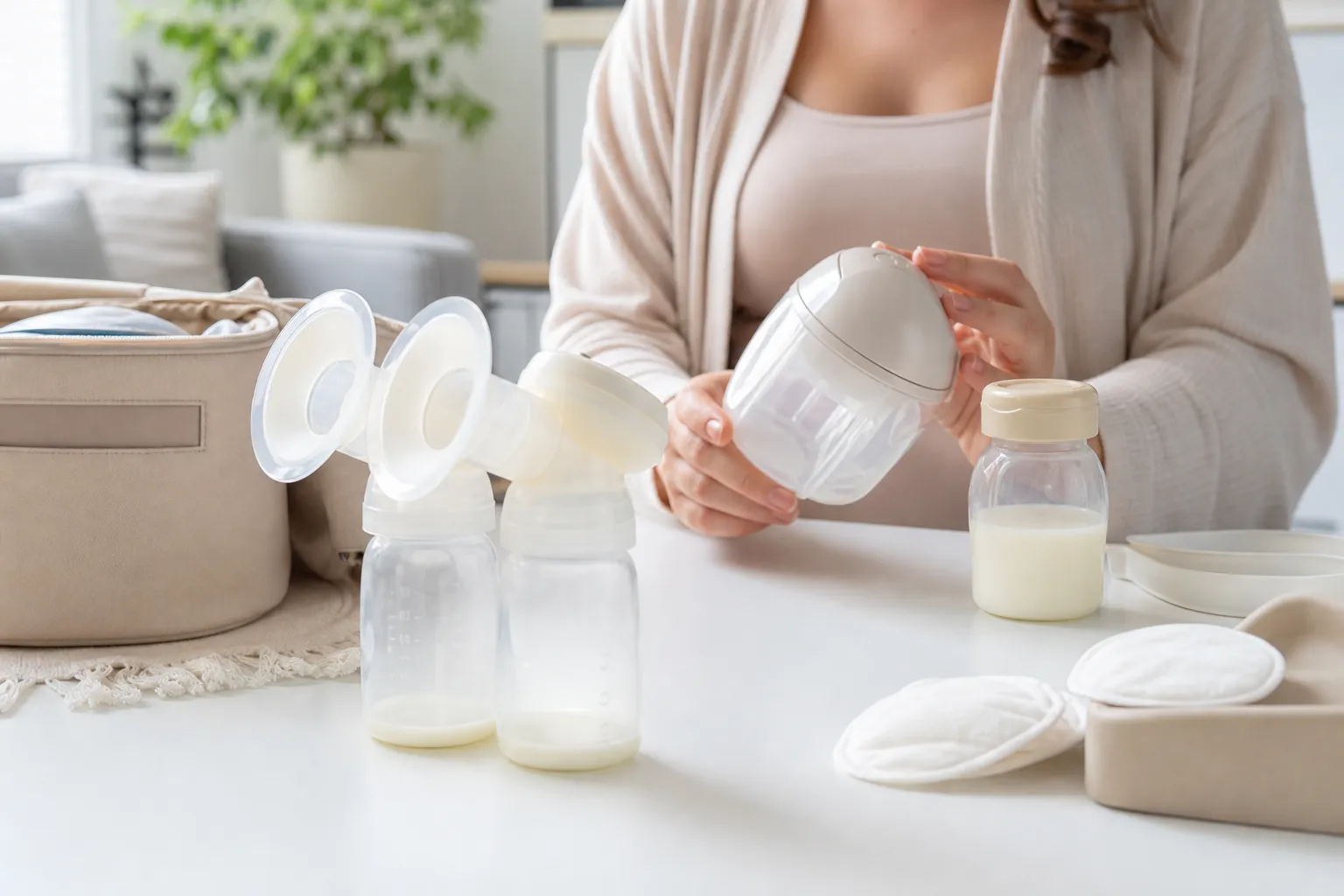
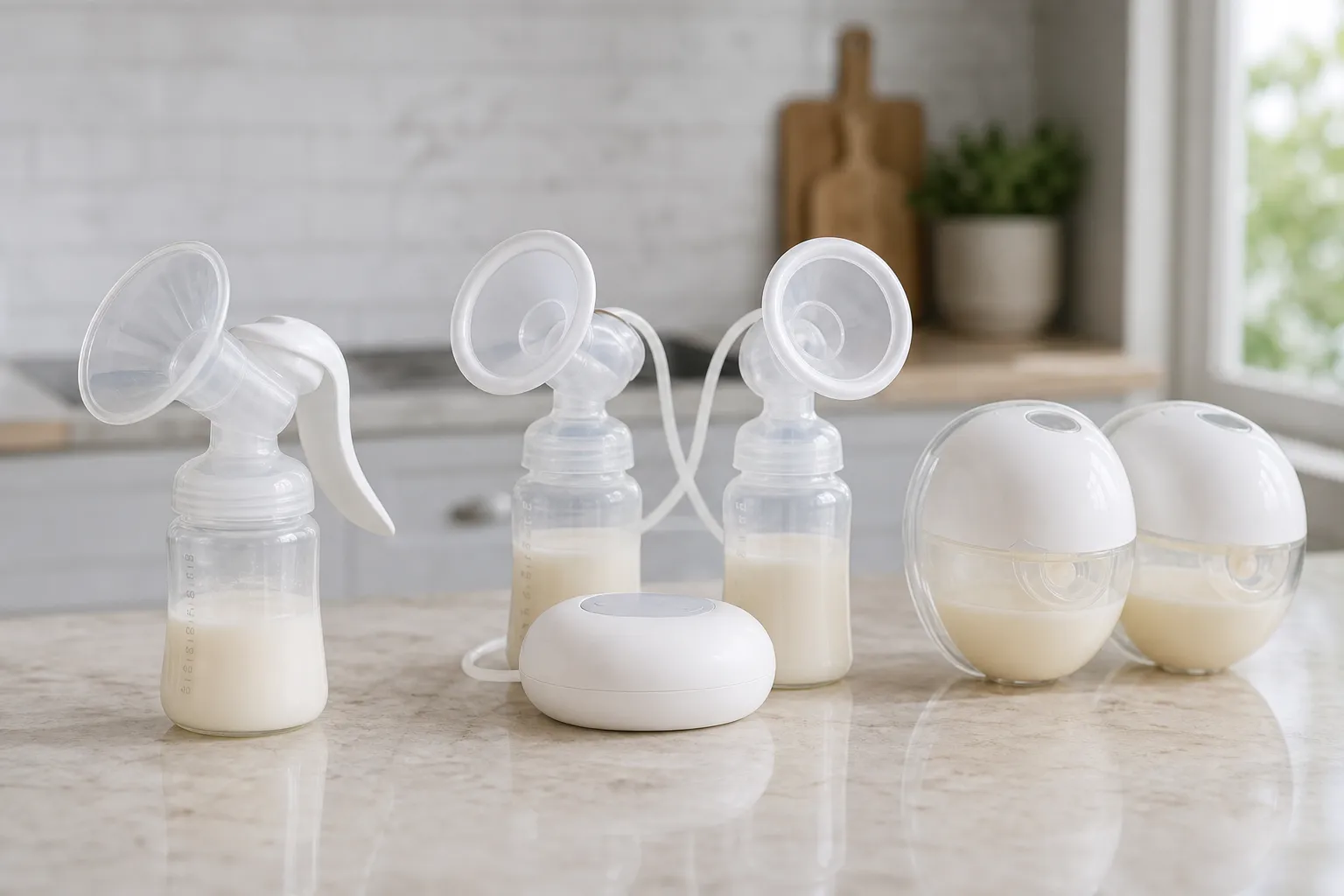
Breast pumps are motor-driven devices that mimic the suction rhythm of a nursing baby to draw milk from the breast. Most work in two phases: a faster stimulation phase to trigger letdown, followed by a slower expression phase to collect milk. Electric pumps breastfeeding parents use most often fall into three categories: traditional double-electric pumps (plugged in or battery-powered), portable single-electric pumps, and wearable breast pumps that sit inside a bra and collect milk hands-free.
Insurance coverage is worth checking before you buy anything. In the United States, most insurance plans are required to cover at least one breast pump per pregnancy under the Affordable Care Act, though covered models vary by plan. Contact your insurer or use a covered-equipment supplier to see what is available to you at no cost.
If you want flexibility from day one, the Olivia Wearable Breast Pump Hands Free is worth looking at alongside whatever your insurance offers, particularly if you plan to pump at work or while moving around the house.
Common questions about breast pumps
What should readers know first about breast pumps?
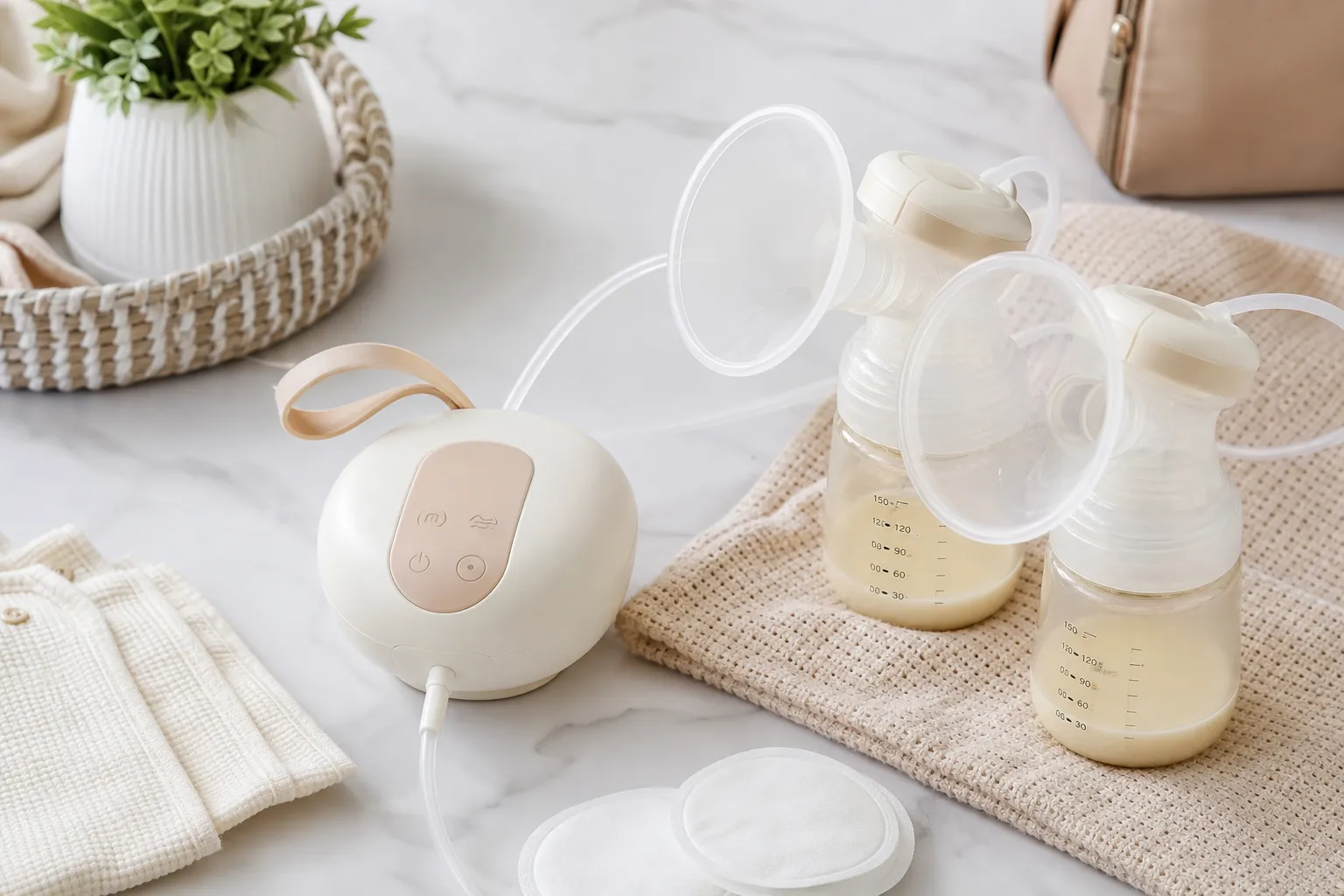 When you start pumping matters. If you are exclusively breastfeeding, most lactation consultants recommend waiting until your milk supply is established, usually around three to four weeks postpartum, before introducing a pump regularly. Starting too early can sometimes lead to oversupply. If you plan to return to work or need to build a freezer stash, starting around week three to four gives you enough time without disrupting early supply regulation. Parts wear out faster than most people expect. Membranes, valves, and backflow protectors are the components that affect suction, and they are made of soft silicone or rubber that degrades with repeated use and washing. A general guideline is to replace membranes every four to eight weeks if you are pumping multiple times per day. If you notice suction dropping and the motor sounds normal, worn parts are usually the first thing to check. Flange fit is the other thing new pumpers often overlook. A flange that is too large or too small can reduce output and cause discomfort. The flange tunnel should fit around the nipple with only a small amount of areola tissue pulled in. Many brands offer multiple flange sizes, and some wearable breast pumps include inserts to adjust fit without buying a separate piece.
How do you choose the right approach?
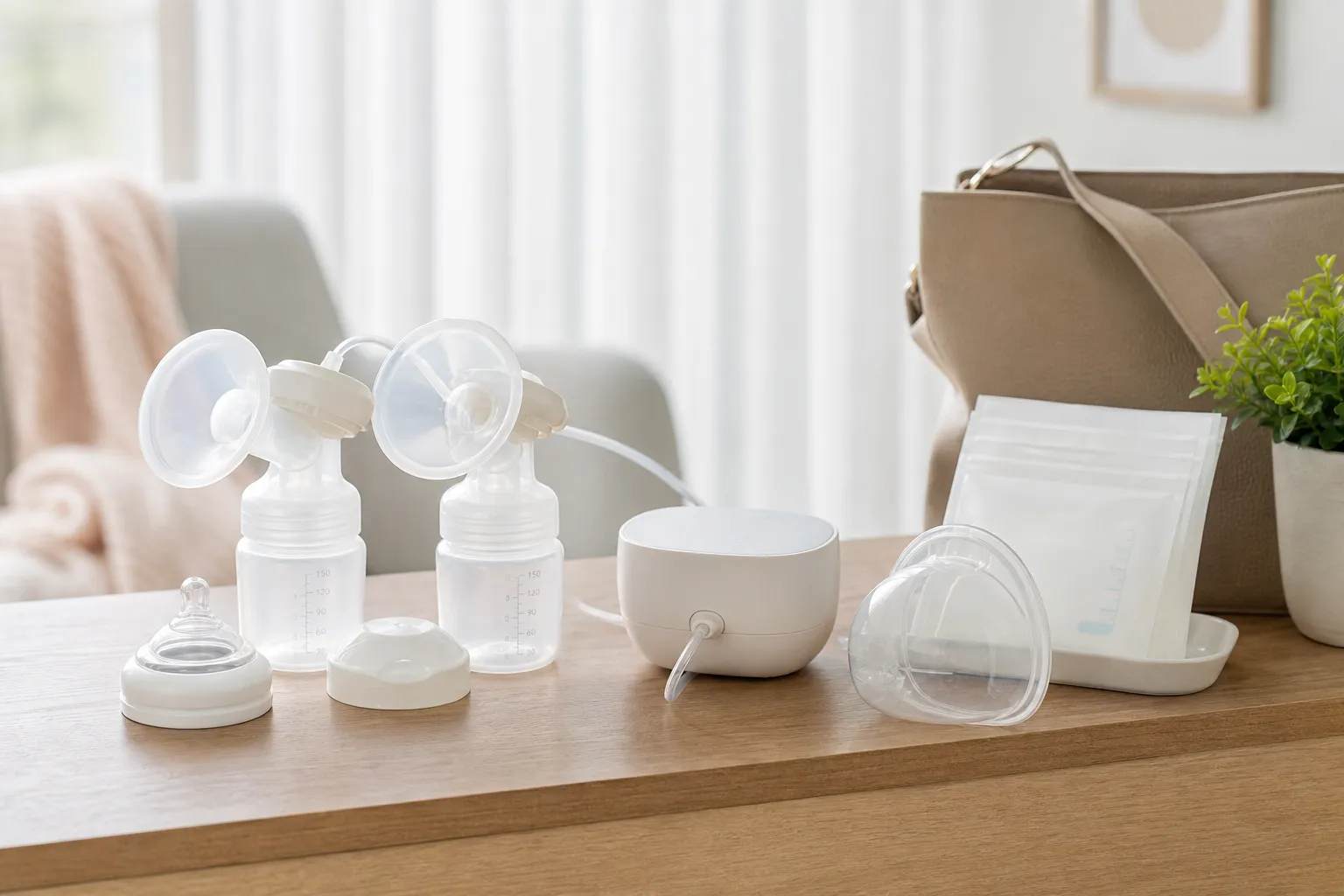 Choosing a breast pump comes down to how often you plan to pump and where. Here are the main scenarios: – If you plan to pump occasionally as a supplement to nursing, a single-electric or manual pump is usually enough. – If you plan to exclusively pump or pump multiple times per day, a double-electric pump with strong, consistent suction is the more reliable choice for maintaining supply. – If you need to pump at work, during a commute, or while caring for other children, wearable electric breast pumps offer a level of discretion and mobility that traditional pumps cannot match. You can read more about how parents are using them in this overview of wearable electric breast pumps. On the question of whether a wearable pump can serve as a primary pump: it depends on the individual. Some parents respond well to wearable pumps and maintain full supply using them exclusively. Others find that a traditional double-electric pump produces better output for their body. If you are exclusively pumping, it is worth having a traditional pump available as a backup even if a wearable becomes your daily driver. Noise is a real consideration for pumping at work or in shared spaces. Traditional pumps range from quiet hum to noticeably loud motor sounds. Most wearable pumps run quieter because the motor is smaller and enclosed, but “quiet” is relative. If noise matters to you, look for decibel ratings in product listings or read reviews that specifically mention pumping in meetings or quiet offices. Which type of breast pump is best? There is no single answer. A double-electric pump tends to be the most efficient for high-frequency pumping, while a wearable pump is best for mobility and discretion. The right type depends on your pumping frequency, lifestyle, and how your body responds.
What mistakes should you avoid?
 Skipping the stimulation phase is one of the most common errors with electric pumps breastfeeding parents make early on. Many pumps start in a faster, lighter stimulation mode before switching to expression mode. Jumping straight to expression mode or turning suction up too high too fast can reduce output and cause nipple soreness. Let the pump run its stimulation phase and increase suction gradually to the highest comfortable level, not the highest available level. Not cleaning parts often enough is another frequent problem. Milk residue left in pump parts between sessions can harbor bacteria. The CDC recommends rinsing parts that contact milk after each use and washing them thoroughly with hot soapy water or a dishwasher at least once per day. Backflow protectors should be checked and cleaned regularly since milk can sometimes get past them. Assuming more suction equals more milk is a myth worth correcting early. Suction that is uncomfortably high can actually slow letdown and cause tissue damage over time. The goal is the highest comfortable suction, not maximum suction. Finally, do not wait until you are back at work to figure out your pump. Practice sessions at home help you learn the settings, confirm your flange fit, and understand how your body responds before you are under time pressure. If you are also thinking about storage, pairing your pumping routine with a solid storage plan matters, and this article on hands-free breast pump wearable covers storage guidance worth reading alongside your pump research.
Recommended next steps
If you are still narrowing down your options, start with these priorities: confirm your insurance coverage, get your flange size measured or estimated before your pump arrives, and decide whether hands-free pumping is important enough to your daily routine to factor into your choice.
For parents who want a wearable pump as their primary or secondary option, compare suction settings, battery life, and flange sizing options carefully. Wearable breast pumps vary more than traditional pumps in how well they fit different body types and pumping styles, so reading detailed reviews from parents with similar pumping goals is time well spent.
The most important thing is to start with realistic expectations. Breast pumps are tools, and like any tool, they work best when you understand how to use them correctly from the beginning.
Meredith Calloway spent four years as a lactation support writer and product researcher before joining the Olivia by Lolafo editorial team, where she covers pumping gear, milk storage, and the unglamorous logistics of feeding a baby in the real world. She approaches every review and how-to the way she’d explain it to a friend texting from a parking lot — with specific numbers, honest trade-offs, and zero filler. Her work draws on published lactation research, hands-on product testing, and direct input from pumping communities including r/ExclusivelyPumping and IBCLC-reviewed sources. If a suction spec matters or a flange fit issue is being undersold by a brand, she’ll say so.
Leave a Reply