
 5 Aug 2026
 5 min read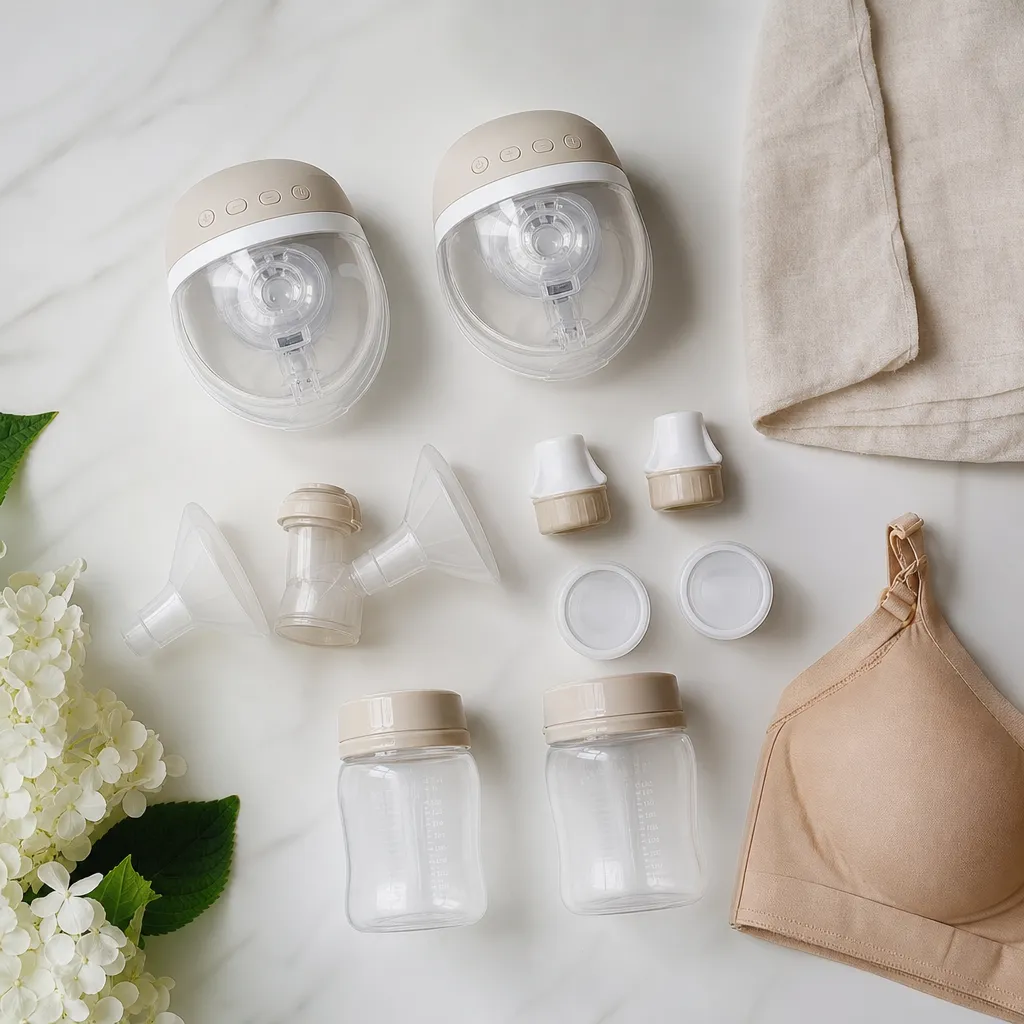
1. Start with the outcome you actually need
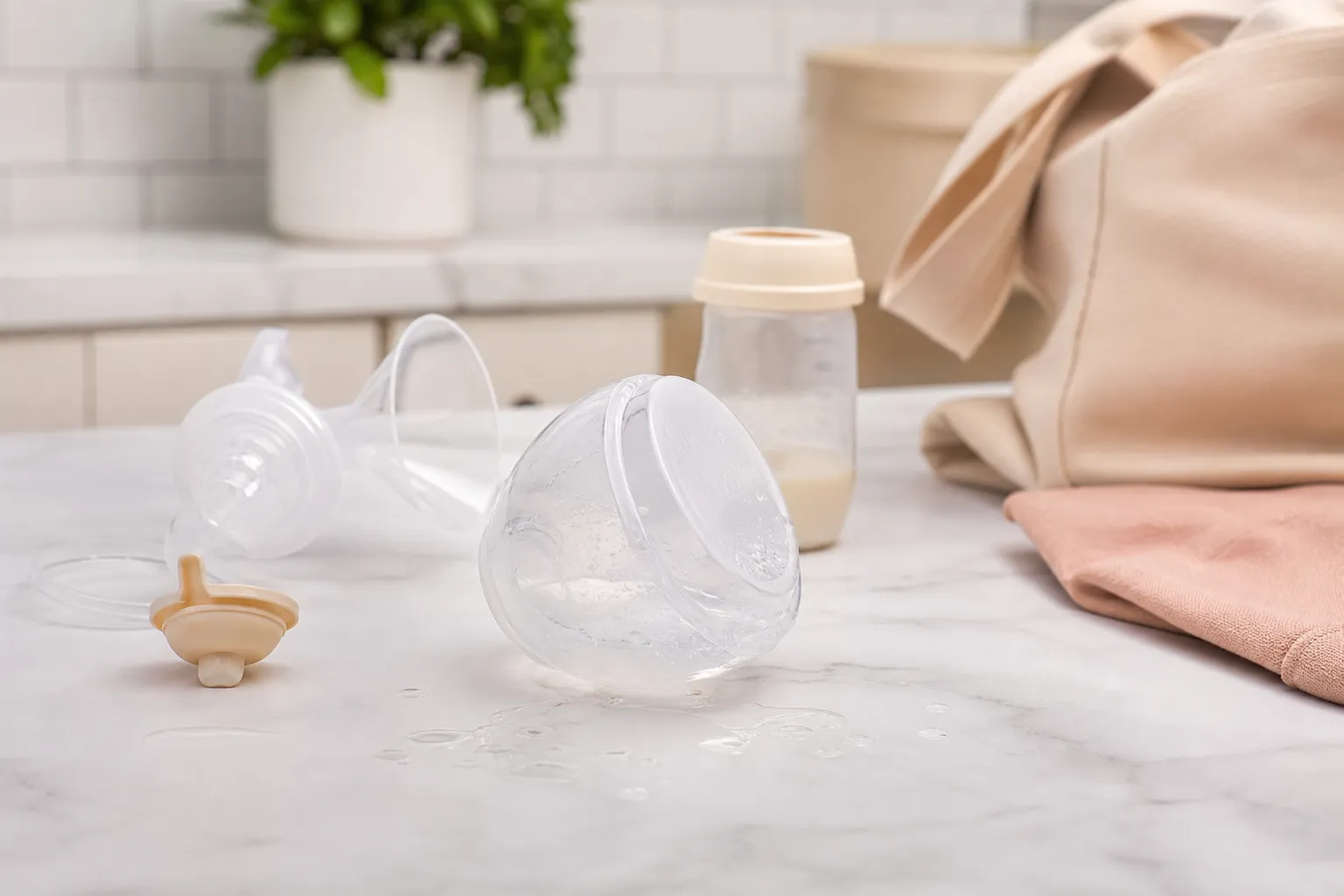
The goal is not a perfectly dry bra every single time. The goal is understanding which pump leaks are fixable and which ones signal that something needs to change. Knowing the difference saves you from blaming yourself when the real issue is a worn valve or a flange that was never the right size.
If you are using the Olivia Wearable Breast Pump Hands Free or any similar device, start by identifying where the leak originates — the flange edge, the valve area, or the collection cup seam — before touching any settings.
2. Set up the simplest workable system
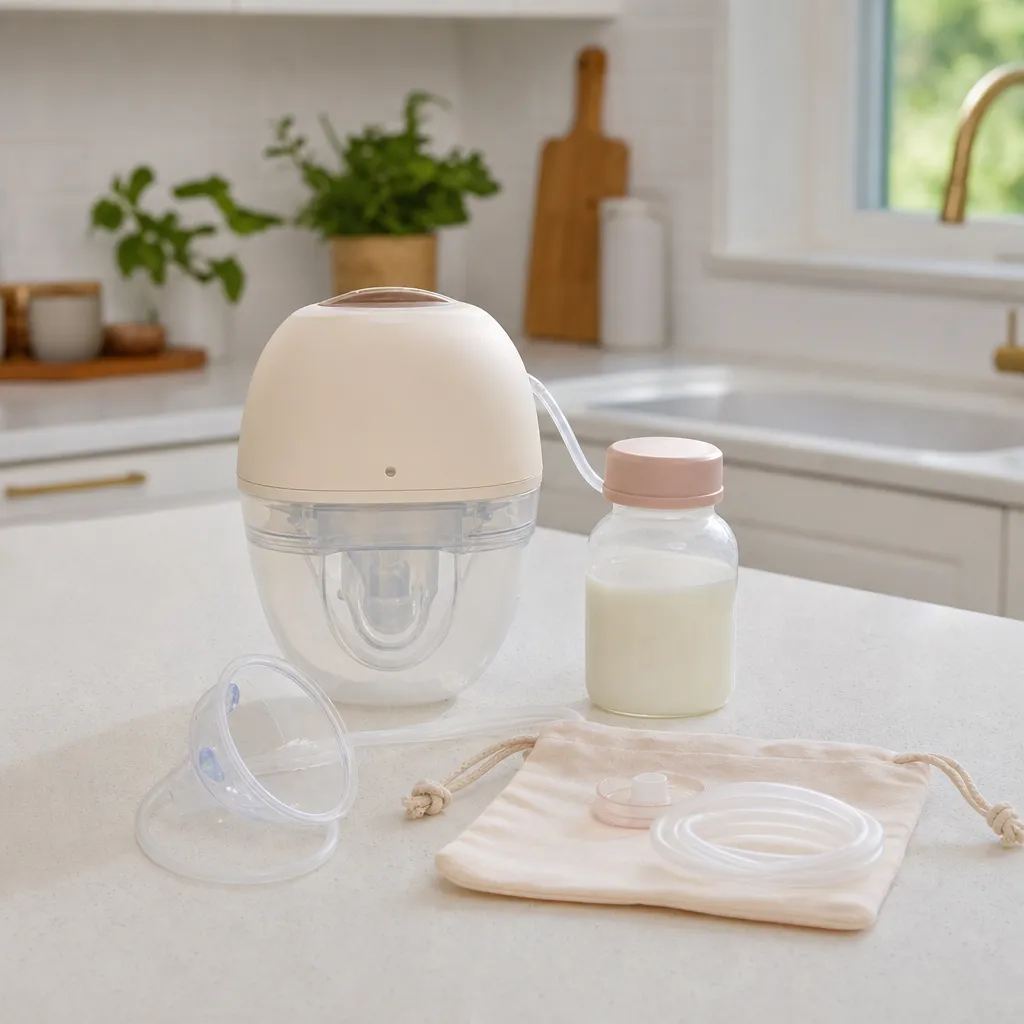
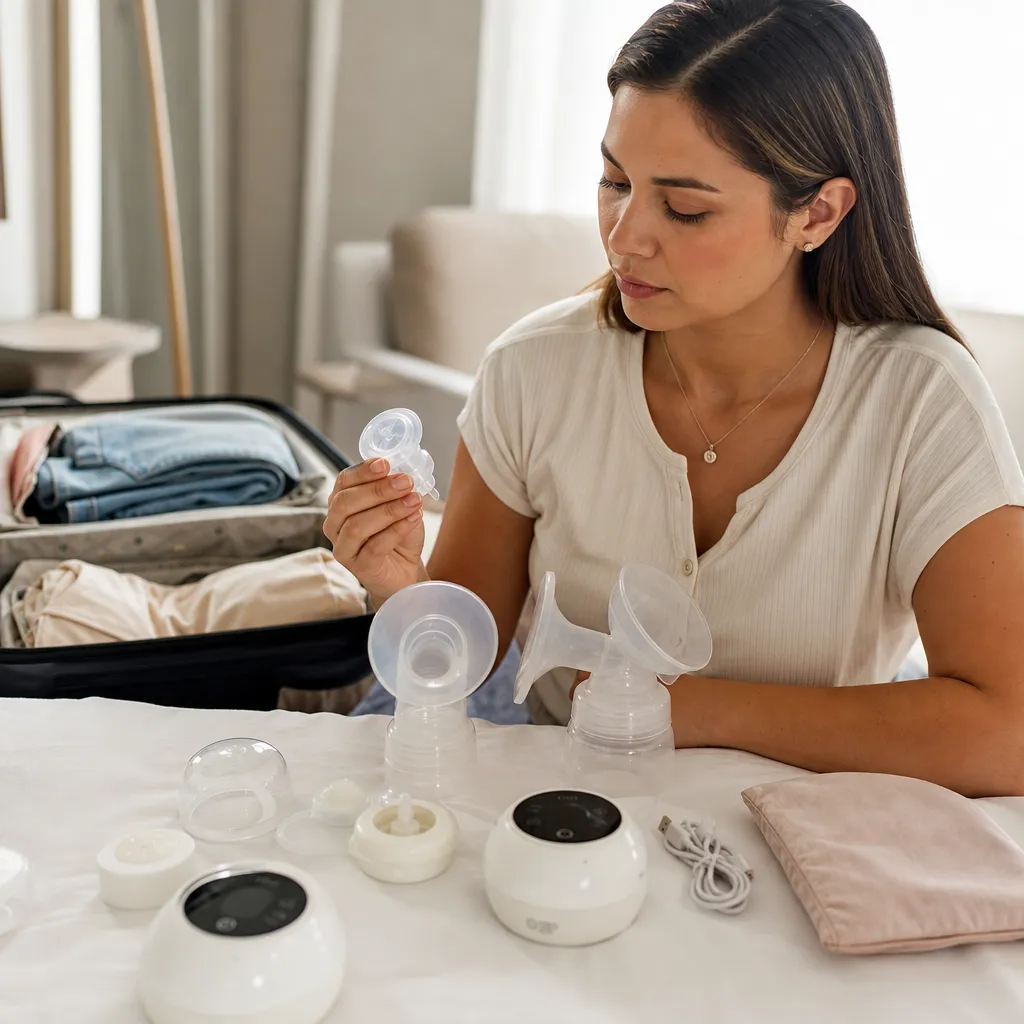
Before each session, run through this quick pre-pump check:
- Flange seated flush against the breast with no gaps at the edges
- Valve attached fully and lying flat, not folded or twisted
- Collection cup clicked or screwed into place until you feel resistance
- Bra snug enough to hold the pump stable but not so tight it distorts the flange angle
Getting breast pump flange size right is the single most effective way to prevent pump leaks at the source. A flange that is too large lets milk pool and escape around the tunnel rather than flowing into the cup.
3. Follow the process without overcomplicating it
Once the pump is on, posture matters more than most people expect. Leaning too far forward shifts the collection cup angle and lets milk run toward the seal instead of pooling at the bottom. Stand or sit upright, especially in the first two minutes of a session.
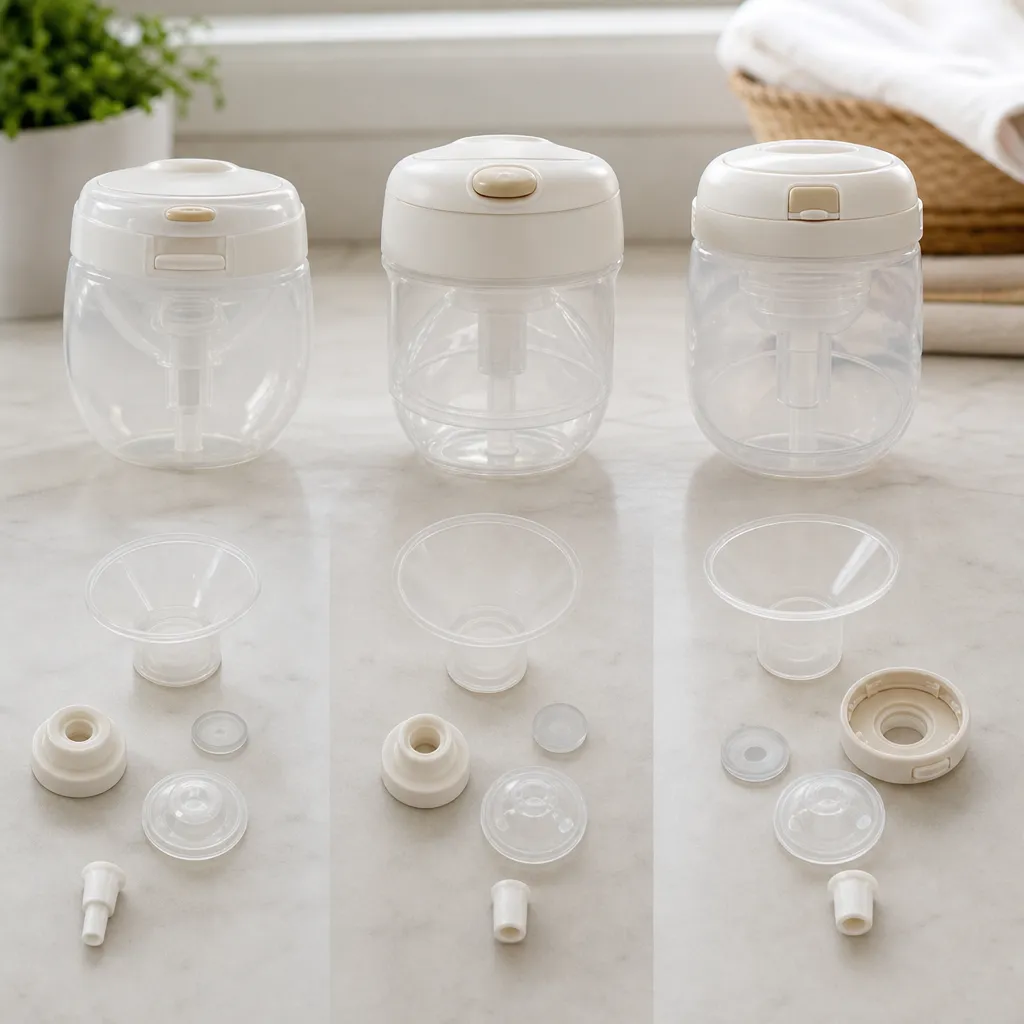
If you are still seeing leaks after correcting posture, check the valve first — it is the most common single point of failure on any wearable hands free breast pump. A valve that has softened or cracked will not create a proper seal, and no amount of repositioning will fix that.
4. Check what is working and what is not
After three or four sessions with your adjustments in place, evaluate honestly:
- Leaks stopped completely — the fix worked, keep the new habit
- Leaks reduced but still present — you have the right area, keep narrowing it down
- Leaks unchanged — the cause is likely a worn wearable pump part, not technique
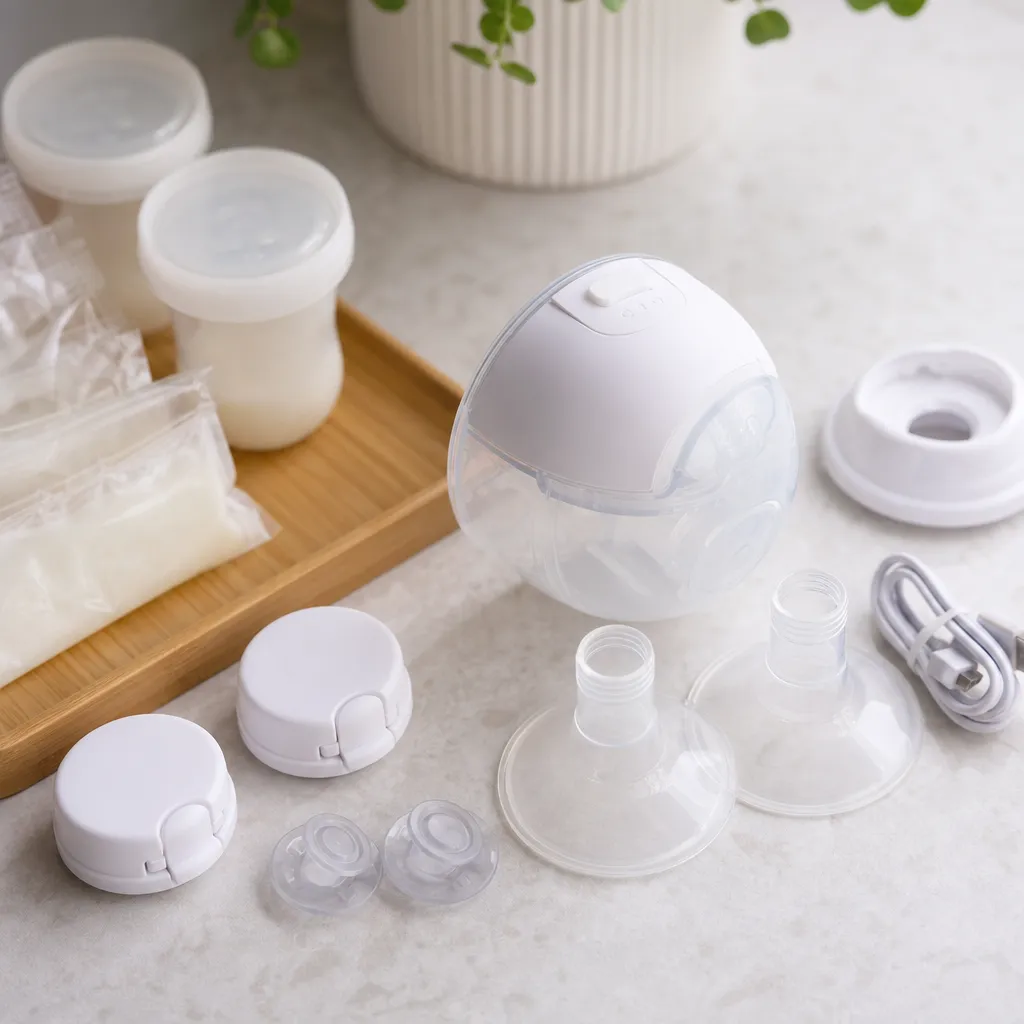
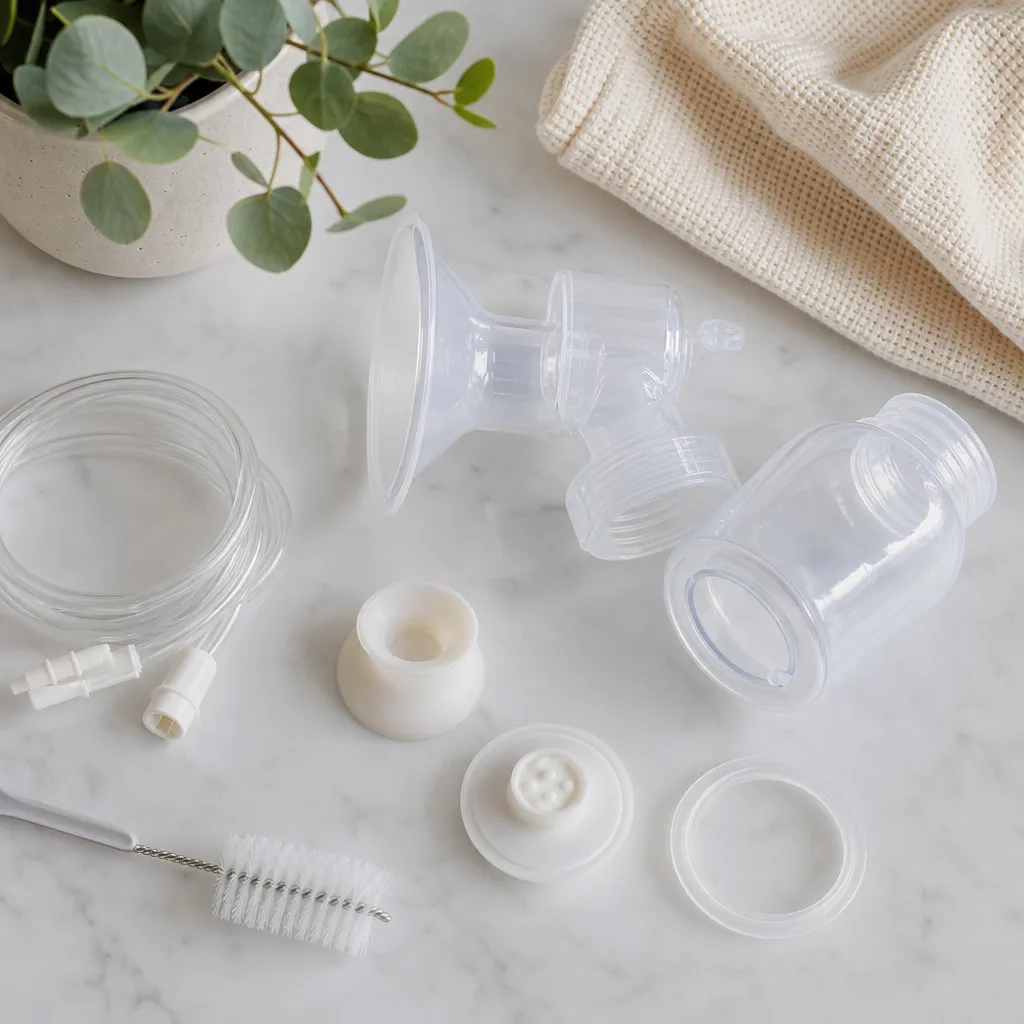
Pump leaks that persist despite correct alignment and a snug bra almost always point to a component that needs replacing. Valves, membranes, and silicone flanges all degrade with regular use and cleaning cycles. Inspect them under good light and look for tears, stiffness, or discoloration.
5. Adjust when your situation changes
Supply changes, body changes, and even clothing changes can reintroduce pump leaks that you thought were solved. Common triggers include:
- A growth spurt or cluster feeding period that increases output and overfills the cup faster than expected
- Postpartum body changes that shift breast tissue shape and alter how the flange sits
- A new bra or nursing tank that holds the pump at a slightly different angle
When any of these happen, treat it as a fresh setup check rather than a failure. Wearable breast pumps rely on a precise seal, and small shifts in fit or fill level are enough to break it.
6. One more thing that makes a difference
Overfilling is one of the most overlooked causes of pump leaks. Most wearable collection cups have a practical fill limit that sits below the printed maximum — once milk reaches the valve area, leaks become almost inevitable. Empty the cup at the halfway point during longer sessions rather than waiting until the end.
Set a phone reminder if you tend to get absorbed in work or other tasks while pumping. Catching the cup before it overfills is a simple habit that eliminates a whole category of pump leaks without any part changes.
7. Another angle worth knowing
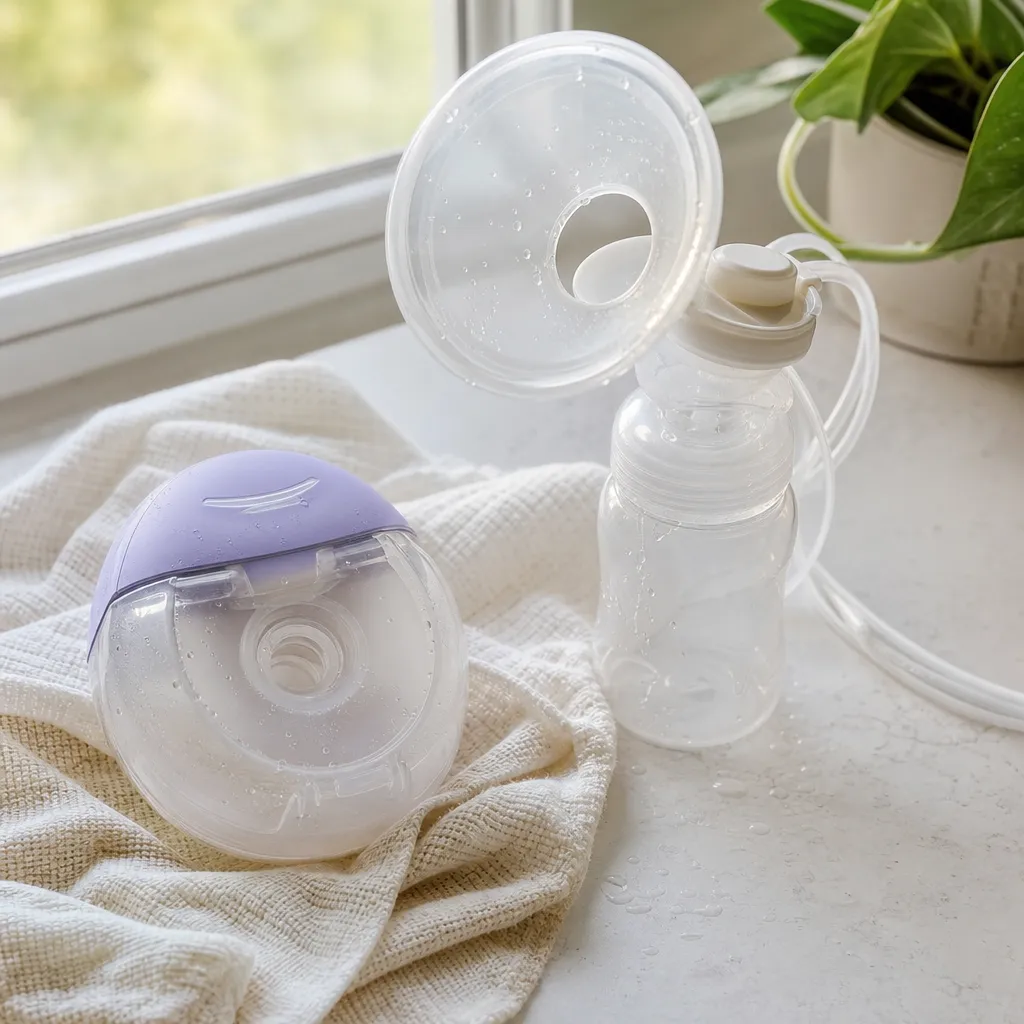
Cleaning habits affect leak risk more than most guides acknowledge. Residue left on the valve or membrane from a previous session can prevent a full seal from forming, even when the part itself is not yet worn out. Rinse wearable pump parts thoroughly after every use and allow them to air dry completely before reassembling.
If you notice pump leaks appearing only on the first session of the day, dried residue or moisture trapped in the valve from overnight storage is a likely cause. A quick rinse before that first session often resolves it immediately.
FAQ about pump leaks
What should readers know first about pump leaks?
Most pump leaks have a mechanical cause — misalignment, a worn valve, or overfilling — rather than a technique problem. Start by locating where the leak originates before adjusting anything.
How do you choose the right pump leaks approach?
Work through causes in order: flange fit, valve condition, posture, then fill level. Fixing breast pump flange fit first eliminates the most common source of leaks in wearable breast pumps.
What mistakes should you avoid with pump leaks?
Avoid replacing multiple wearable pump parts at once without isolating the cause. Change one thing at a time so you know what actually fixed the leak.
Is troubleshooting pump leaks worth doing before replacing parts?
Yes. Many pump leaks resolve with a posture correction or a flange repositioning. Replacing parts is the right step only after ruling out fit and alignment issues.
What should you compare before deciding on pump leaks solutions?
Compare where the leak appears, how long the wearable pump parts have been in use, and whether the leak is consistent or session-specific. Those three factors point to the right fix faster than trial and error. —
Recommended next steps
If pump leaks are still happening after working through this checklist, the most productive next step is a full fit review. Confirm your flange size, inspect every silicone component for wear, and check that your bra is holding the wearable breast pump flush rather than at an angle.
For a deeper look at fit issues that cause leaks before they start, the guides on breast pump flange size and common wearable hands free breast pump mistakes cover the most frequent setup errors in detail. Save this checklist and return to it whenever leaks reappear — conditions change, and a quick run-through takes less than two minutes.
Meredith Calloway spent four years as a lactation support writer and product researcher before joining the Olivia by Lolafo editorial team, where she covers pumping gear, milk storage, and the unglamorous logistics of feeding a baby in the real world. She approaches every review and how-to the way she’d explain it to a friend texting from a parking lot — with specific numbers, honest trade-offs, and zero filler. Her work draws on published lactation research, hands-on product testing, and direct input from pumping communities including r/ExclusivelyPumping and IBCLC-reviewed sources. If a suction spec matters or a flange fit issue is being undersold by a brand, she’ll say so.
Leave a Reply