
 4 Aug 2026
 6 min read
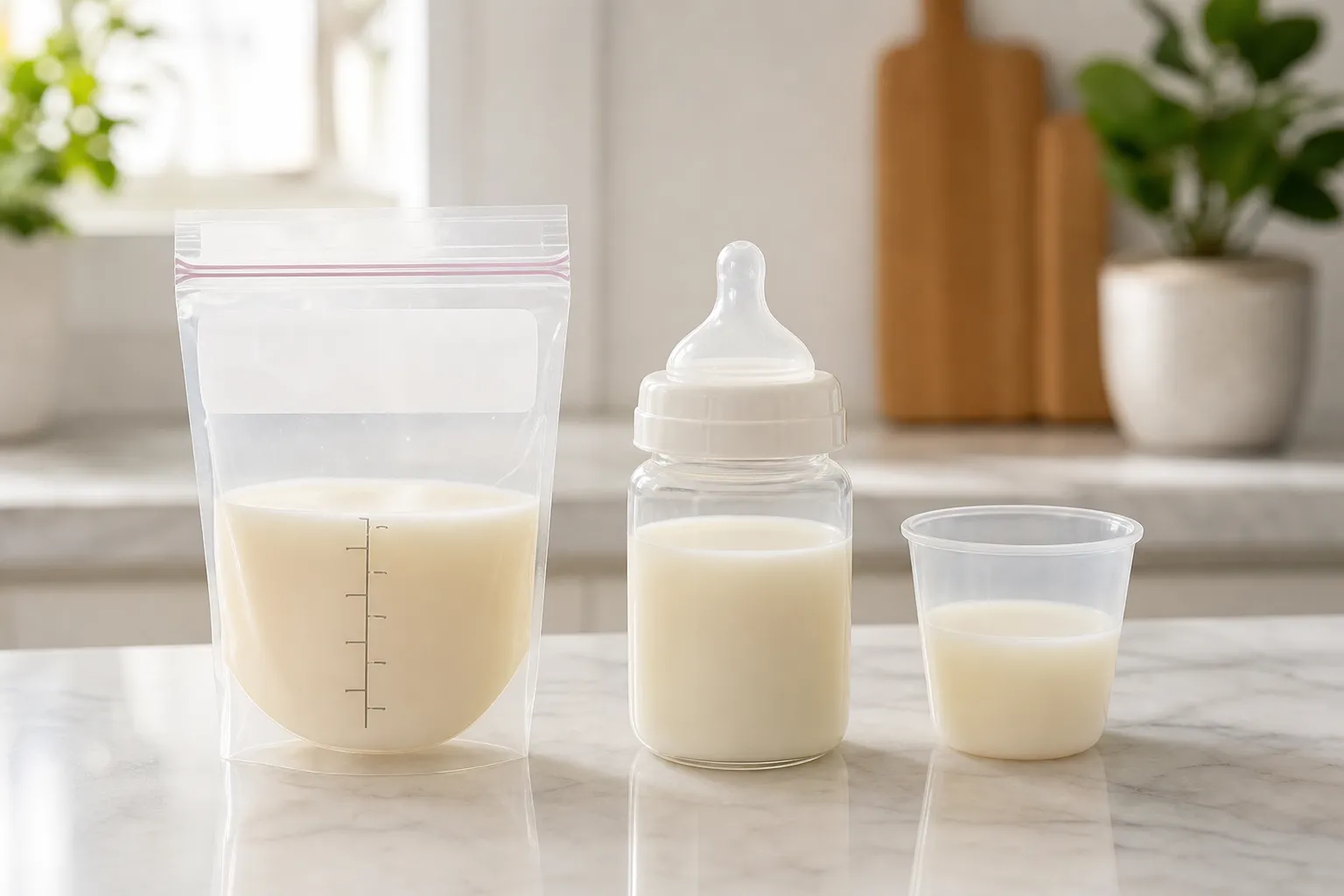
When you are pumping regularly, the question of how to store breast milk quickly becomes more pressing than it first appears. Breastfeeding storage bags, hard bottles, and silicone cups each solve the same basic problem in meaningfully different ways, and the right choice depends on how much you pump, how you thaw, where you store, and how you hand off milk to a caregiver. This guide walks through all three formats using consistent criteria so you can make a confident, practical decision.
Quick answer: how breastfeeding storage bags options compare
Bags are the most flexible option for most pumping parents. They lay flat in the freezer, stack efficiently, and are disposable, which removes the washing burden during an already demanding season. Bottles are the right call when you are pumping and feeding in the same session, or when your daycare requires a specific container. Silicone cups occupy a middle ground: reusable and compact, but with a smaller capacity ceiling and a learning curve for pouring without spilling.
If you are building a freezer stash, breast milk bags are almost always the practical winner. If you are pumping and immediately feeding, bottles win. If you want a reusable option for short-term fridge storage and pump smaller volumes, cups are worth considering.
A good starting point for many parents is a pre-sterilized, leak-proof option like the Breast Milk Storage Bags 50 Pack, which removes the sterilization step and is ready to use straight from the box.
Breastfeeding storage bags compared at a glance
| Criteria | Storage Bags | Hard Bottles | Silicone Cups |
|---|---|---|---|
| Best fit | Freezer stash builders, high-volume pumpers | Pump-to-feed sessions, daycare handoffs | Low-volume pumpers, fridge-only storage |
| Ideal use case | Long-term freezing, space-limited freezers | Same-day feeding, caregiver prep | Short trips, small daily volumes |
| Main strength | Flat storage, space efficiency, no washing | Durable, reusable, feed-ready | Reusable, compact, eco-friendly |
| Key tradeoff | Single-use cost adds up over time | Bulky in freezer, slower to thaw | Limited capacity, spill risk when pouring |
| Thawing ease | Good (warm water bath, lay flat) | Moderate (takes longer due to thickness) | Good for small volumes |
| Daycare suitability | Moderate (requires transfer to bottle) | High (ready to feed) | Low (not widely accepted) |
For a deeper look at what separates a well-made bag from a flimsy one, the breast milk storage bags buying guide covers construction, seal quality, and volume markings in detail.
Compare breastfeeding storage bags by the criteria that matter
Fit and use case
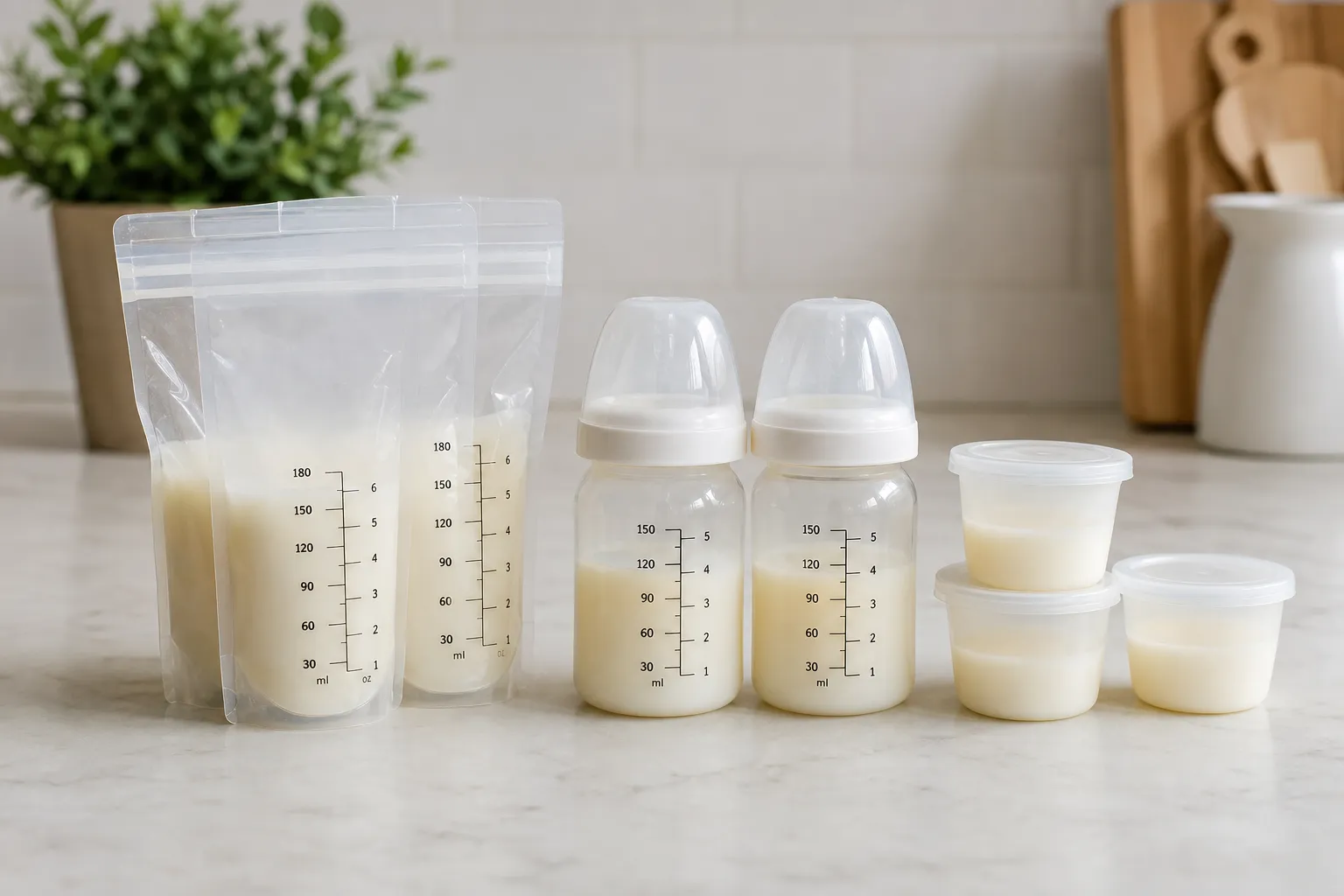
Breastfeeding storage bags are the natural fit for parents who pump more than they feed in real time. If you are building a supply in the freezer, bags let you store dozens of portions in the space that a handful of bottles would occupy. They also work well for parents who pump at work and need a compact, lightweight way to transport milk home without carrying extra equipment.
Hard bottles make the most sense when the gap between pumping and feeding is short. Many pump systems connect directly to a bottle, which means you can pump, cap, and hand the bottle to a caregiver without any transfer step. That directness reduces the risk of spills and the need to handle milk twice.
Silicone cups are best suited to parents who pump smaller volumes and primarily store in the fridge rather than the freezer. They are also a reasonable choice for parents who want to reduce single-use plastic and are willing to accept a slightly more careful pouring process.
Value and tradeoffs
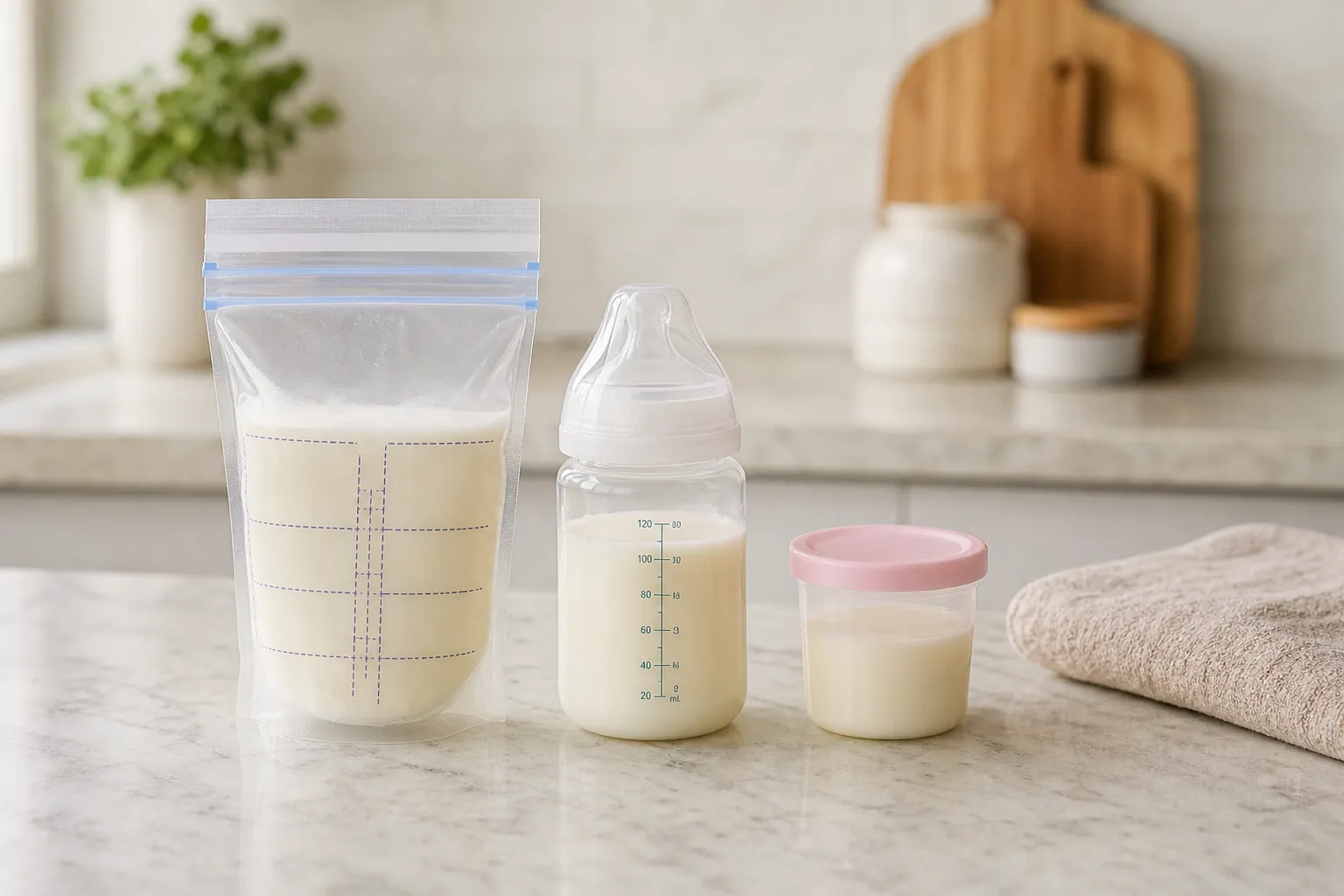
Breast milk bags carry a per-unit cost that adds up over weeks and months of regular pumping. For a parent pumping multiple times a day, that ongoing expense is real and worth factoring into the decision. The tradeoff is that bags eliminate washing time, which has its own value when you are sleep-deprived and managing a newborn.
Bottles have a higher upfront cost but no ongoing per-use expense. If you already own bottles that fit your pump, the cost of using them for breast milk storage is essentially zero. The limitation is freezer space: bottles do not stack flat, so a large freezer stash in bottles requires significantly more room.
Silicone cups sit between the two on cost. They are reusable like bottles but typically hold less volume, which can be a constraint for parents who pump large amounts per session. They also require careful washing and drying, which adds a step that bags avoid.
Limitations and deal-breakers
The main limitation of breastfeeding storage bags is that they are single-use. For parents who are environmentally conscious or on a tight budget, the ongoing cost and waste can be a genuine concern. Bags also require a transfer step before feeding, which means an extra pour and an extra opportunity for spills.
Bottles become a poor fit when freezer space is limited. Standing bottles take up considerably more room than flat-frozen bags, and they are harder to organize by date. Thawing is also slower with a thick-walled bottle than with a thin bag, which matters when a hungry baby is waiting.
Silicone cups are not widely accepted by daycares, which often require milk in labeled bottles. They also have a lower capacity ceiling than most bags or bottles, making them impractical for parents who pump large volumes per session. Pouring from a cup into a bottle without spilling takes practice, and spilled breast milk is a real loss.
Decision rule for breastfeeding storage bags
Use this framework to match your situation to the right format:
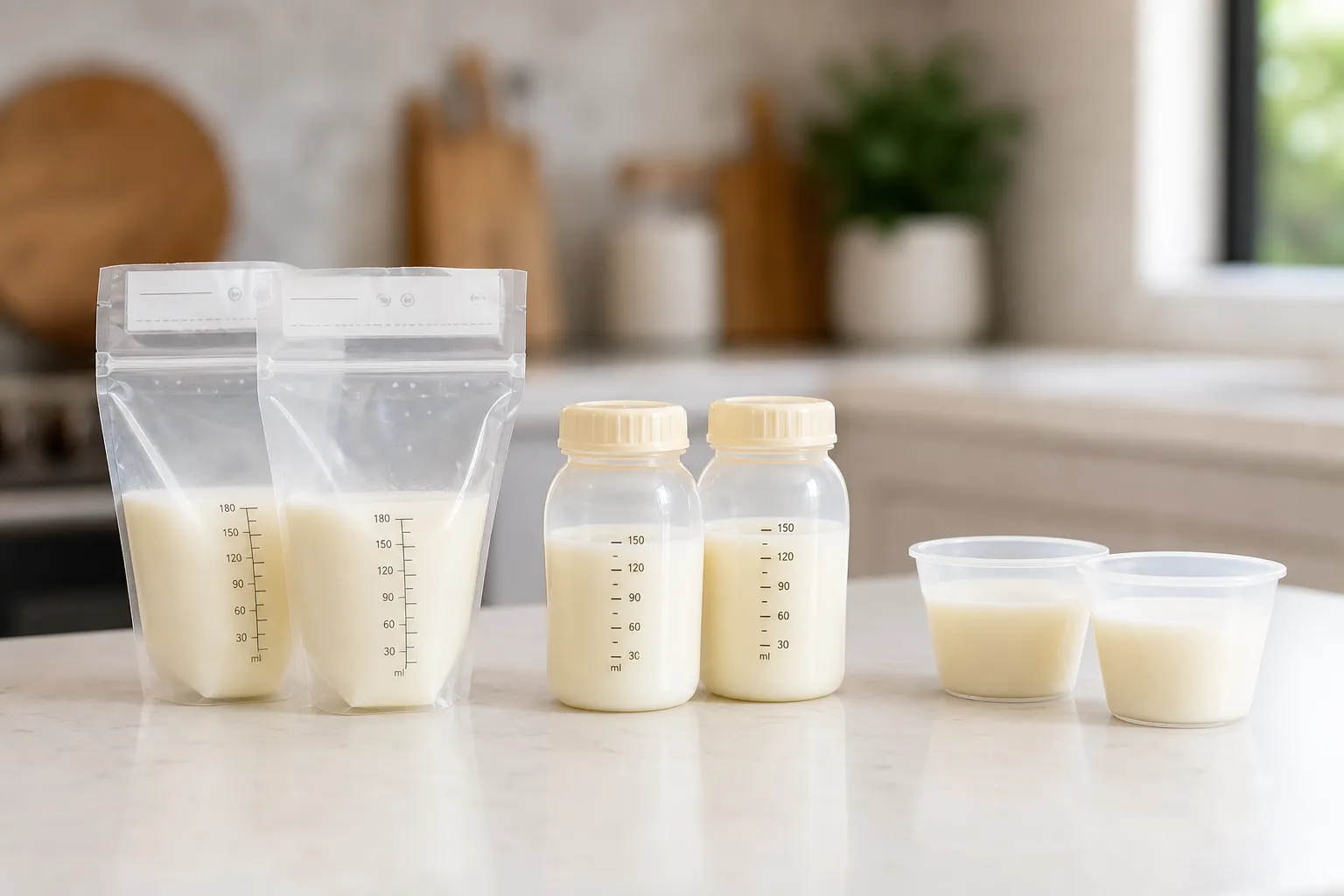
Choose breastfeeding storage bags if you are building a freezer stash, pumping high volumes, working with limited freezer space, or want to minimize washing. They are also the right call if you pump at work and need a lightweight, portable way to bring milk home.
Choose bottles if you pump and feed in the same session, if your daycare requires bottles, or if you already own bottles that connect directly to your pump. Bottles are also worth considering if you are storing in the fridge for same-day use and want to skip the transfer step entirely.
Choose silicone cups if you pump small volumes, store primarily in the fridge, and want a reusable option that reduces single-use plastic. They work best as a supplement to bags or bottles rather than a standalone system.
If you are leaning toward bags and want to understand which materials and construction features to look for, the guide to bpa free breast milk storage bags explains what to check on the label and why it matters for your baby’s safety.
FAQ about breastfeeding storage bags
What should readers know first about breastfeeding storage bags?
Breast milk bags are designed for single use and should be pre-sterilized before first use. Always check for a secure double-seal and clear volume markings before buying.
How do you choose the right breastfeeding storage bags approach?
Match your storage format to your pumping volume and freezer space. High-volume pumpers building a stash benefit most from flat-freezing bags; same-day feeders often do better with bottles.
What mistakes should you avoid with breastfeeding storage bags?
Avoid overfilling bags, which stresses the seal and increases leak risk. Also avoid refreezing thawed breast milk, as this affects quality and safety.
Is breastfeeding storage bags worth it for daily use?
Yes, for most pumping parents. The convenience of no washing and flat freezer storage outweighs the per-unit cost, especially during high-volume pumping periods.
What should you compare before deciding on breastfeeding storage bags?
Compare seal strength, material safety (look for BPA-free labeling), volume capacity, and whether the bag is pre-sterilized. Ease of labeling and pouring are also worth checking.
Recommended next steps
The format you choose for breast milk storage has a real effect on your daily routine, your freezer organization, and how smoothly handoffs go with a caregiver. Bags are the right starting point for most pumping parents, particularly those building a stash or managing limited freezer space. Bottles earn their place when the pump-to-feed gap is short. Cups are a useful supplement for specific situations rather than a primary system.
If you are ready to stock up on bags, reviewing what makes a well-constructed option is worth the few minutes it takes. The breast milk storage bags guide covers the key quality markers to look for, and the bpa free breast milk storage bags guide explains the material safety questions that matter most when storing milk for your baby.
Meredith Calloway spent four years as a lactation support writer and product researcher before joining the Olivia by Lolafo editorial team, where she covers pumping gear, milk storage, and the unglamorous logistics of feeding a baby in the real world. She approaches every review and how-to the way she’d explain it to a friend texting from a parking lot — with specific numbers, honest trade-offs, and zero filler. Her work draws on published lactation research, hands-on product testing, and direct input from pumping communities including r/ExclusivelyPumping and IBCLC-reviewed sources. If a suction spec matters or a flange fit issue is being undersold by a brand, she’ll say so.
Leave a Reply