
 4 Sep 2026
 9 min read
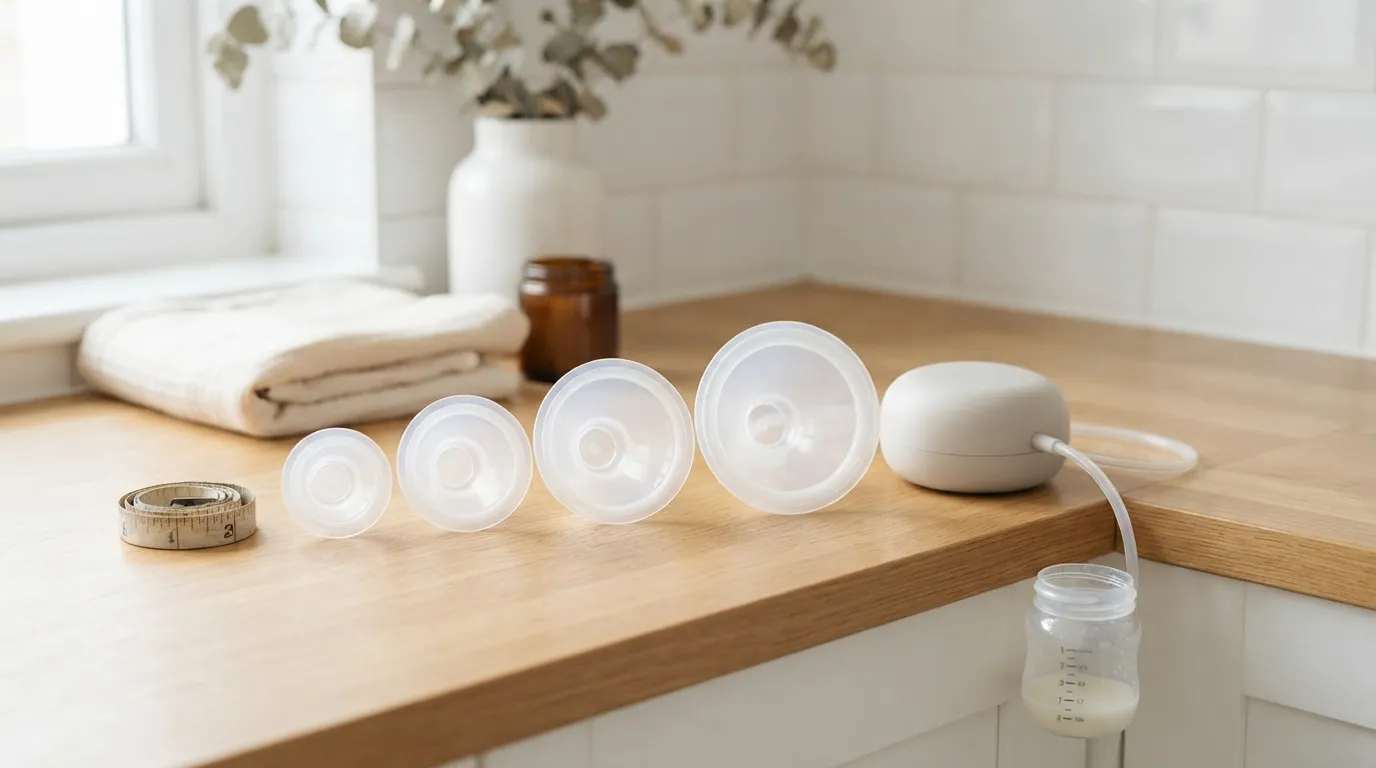
Pumping should not feel like a test of endurance. If your nipple is rubbing, swelling, or being pulled painfully into the tunnel, the issue may not be the pump itself—it may be the flange. Understanding flange sizes for breast pumps can make pumping more comfortable and may help you empty the breast more effectively.
What flange sizes for breast pumps means in practice
A breast pump flange is the funnel-shaped part that rests against your breast. It creates a seal around the nipple and guides milk toward the collection container. The flange size refers mainly to the diameter of the tunnel where the nipple moves during pumping.
The right breast pump flange size gives your nipple room to move without pulling in too much of the surrounding areola. It should also maintain a comfortable seal so air does not leak around the breast.
Flange sizing is not the same as choosing a bra size or measuring the whole nipple area. The most useful starting point is the diameter of the nipple itself, measured at the base, before pumping. Each breast may need a different size, and your measurement can change during the weeks after birth or as your pumping routine changes.
A good breast pump flange fit usually includes:
- The nipple moving freely in the tunnel
- Little or no areola being drawn inside
- No pinching at the base of the nipple
- A secure seal without excessive pressure
- Milk flowing without worsening pain
- A nipple that looks reasonably normal after pumping
Comfort matters, but it is not the only measure. A flange can feel acceptable for the first minute while still causing rubbing, swelling, or inefficient milk removal over a full session.
How to think about flange sizes for breast pumps
Flange fit is best understood as a combination of measurement and observation. Your measurement can suggest a starting size, but what happens during pumping tells you whether that size works in practice.
The core problem to understand
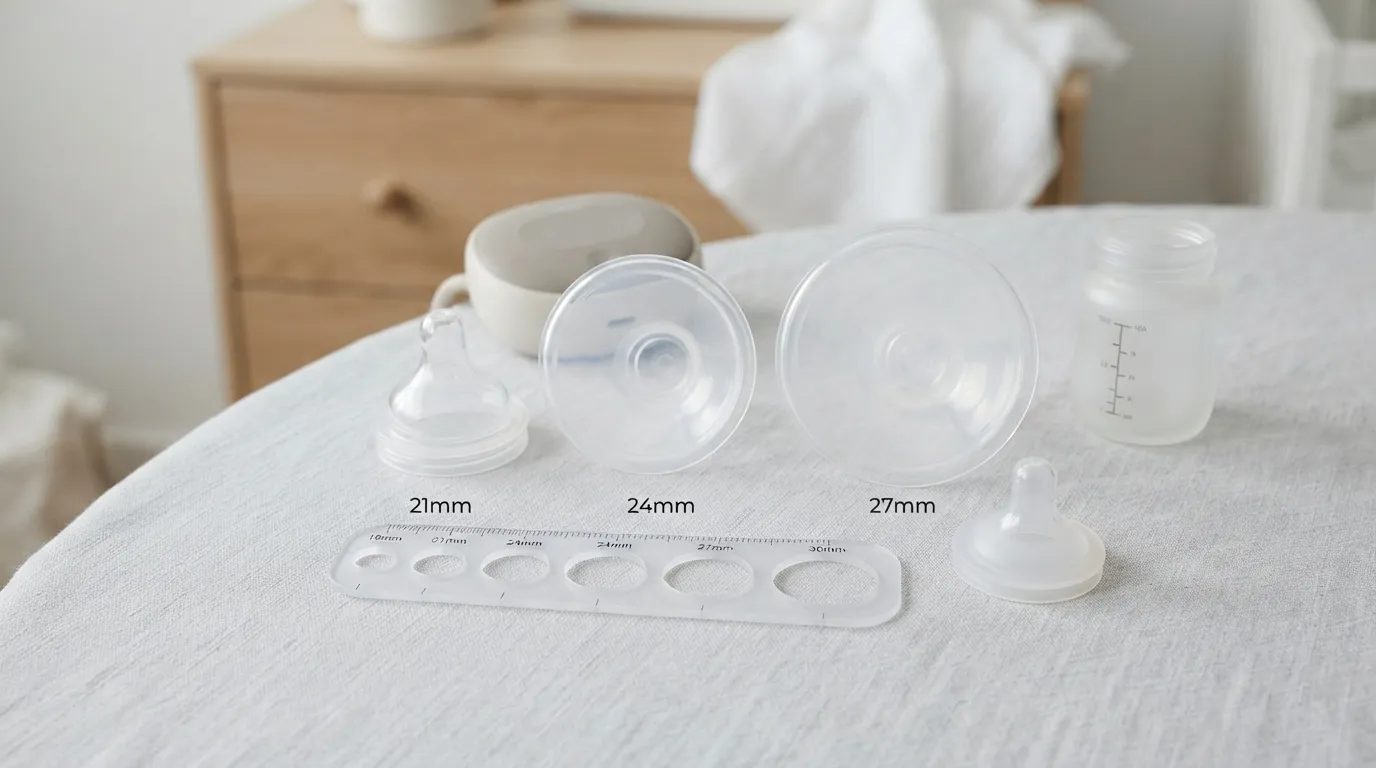
The main problem is that a flange that is too small and one that is too large can create similar complaints: pain, swelling, and less milk than expected. That makes it easy to change sizes in the wrong direction.
When a flange is too small, the nipple may rub against the tunnel walls. You may notice:
- Pinching or scraping during suction
- A nipple that turns white or looks compressed
- Chafing at the nipple tip or base
- Swelling that makes the nipple look larger during the session
- Milk flow that slows despite comfortable suction settings
When a flange is too large, more of the areola may be pulled into the tunnel. Possible signs include:
- A large amount of areola moving into the tunnel
- Tugging or pulling beyond the nipple
- Swelling around the nipple or areola
- A poor seal or air leaks
- Extra breast tissue being drawn in with each cycle
- Discomfort that increases as the session continues
These signs are guides, not a diagnosis. Breast shape, nipple elasticity, suction level, pump rhythm, and positioning can all affect what you see.
A useful way to assess flange fit breast pump users often overlook is to watch the nipple during pumping rather than judging the flange by its label alone. The nipple should move in and out without repeatedly striking the sides. If you have to hold the pump tightly against your breast to prevent leaks, positioning or flange size may need attention.
The practical decision criteria
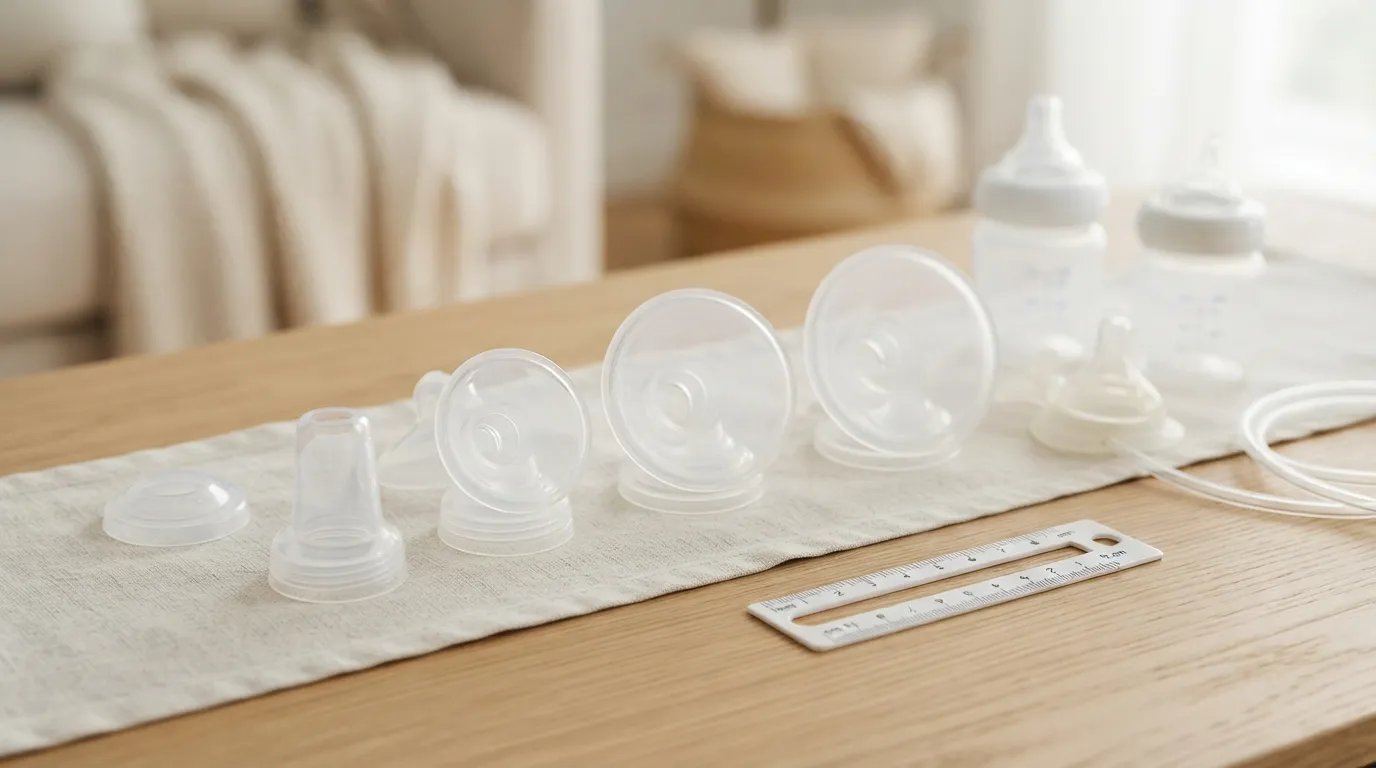
Start by measuring the nipple, not the areola. Measure each nipple separately at its base, ideally when the nipple is not swollen immediately after pumping. A ruler or nipple-sizing tool with millimetre markings can help.
Use your measurement as a starting point, then consider the following:
- The nipple’s movement
Check whether the nipple moves centrally and freely. It should not scrape the tunnel walls or be pulled sharply to one side.
- The amount of areola drawn in
Some areola movement is normal, but a large amount being pulled into the tunnel can suggest that the flange is too wide or that the breast is not centred.
- Your comfort during and after pumping
Pain is useful information. Persistent rubbing, pinching, burning, or deep breast discomfort should not be treated as something you simply need to tolerate.
- Nipple appearance afterward
Look for unusual swelling, blanching, cracks, or a sharply compressed shape. Temporary changes can occur, but repeated or worsening changes suggest that something needs adjusting.
- Milk removal
A suitable breast pump flange size may support steadier milk flow, but output alone cannot confirm fit. Stress, timing, hydration, breast fullness, pump settings, and other factors also influence volume.
- Differences between breasts
It is common for the nipples to differ in size or respond differently to pumping. If your equipment allows it, assess each side rather than assuming one flange size is ideal for both.
Sizing is only one part of breast pump flange fit. Centre the nipple in the tunnel, keep the flange level, and begin with a comfortable suction setting. Increasing suction does not compensate for an unsuitable flange and may make irritation worse.
If you are still troubleshooting, you can also review Olivia by Lolafo’s breastfeeding essentials alongside your pump instructions. Choose accessories based on compatibility and fit rather than appearance alone.
Common mistakes to avoid
Assuming the standard flange must be right
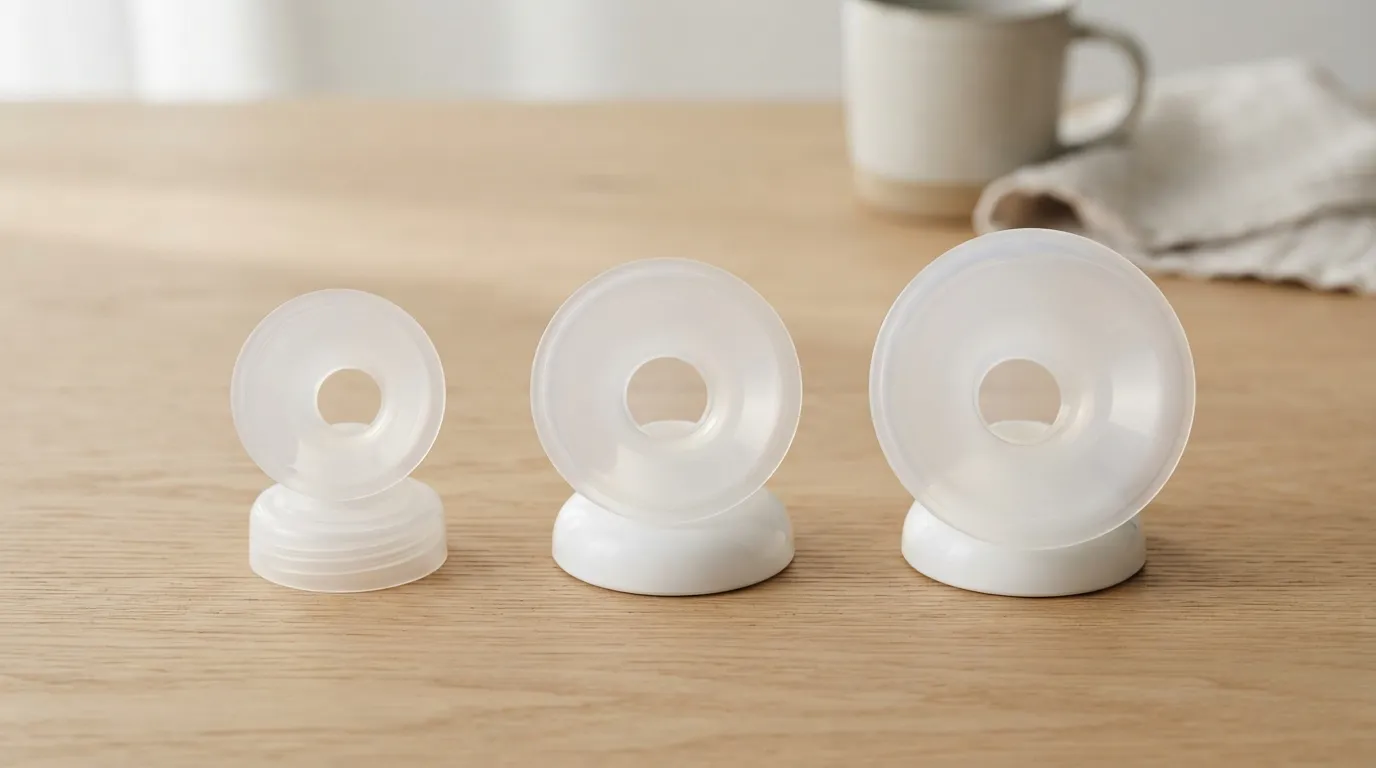
Many pumps include a commonly supplied flange size, but included does not mean universally suitable. Treat it as a starting point, not a measurement of your body.
Measuring after pumping
Pumping can temporarily enlarge the nipple. Measuring immediately afterward may lead you to choose a larger size than you need at the beginning of a session.
Measuring the areola instead of the nipple
The flange tunnel needs to accommodate the nipple. Measuring the entire darker area around it can overestimate the size.
Choosing a size based only on pain
Pain can indicate a flange problem, but it can also come from high suction, poor positioning, dry or damaged skin, or an underlying breast health issue. Check the whole setup.
Changing several things at once
If you change flange size, suction, cycle settings, breast massage, and session length together, it becomes difficult to tell what helped. Adjust one factor at a time when possible.
Ignoring the seal
A flange may be the right diameter but still leak if it is not centred or held at the correct angle. A poor seal can reduce comfort and make the pump seem less effective.
Using the same size forever
Nipple size and sensitivity can change over time, including during the early postpartum period. Reassess if pumping becomes painful or your usual fit changes.
Treating discomfort as normal
Some pulling sensations may occur, but significant pain, skin damage, bleeding, fever, or a persistent hard and tender area deserves professional attention. A lactation consultant or healthcare professional can help assess both fit and breast health.
How to apply this to flange sizes for breast pumps
Use this simple process when checking your breast pump flange fit.
1. Measure before a pumping session
Measure the diameter of each nipple at its base, without including the areola. Record the measurements separately so you can compare them with the sizes available for your pump.
Manufacturer sizing guidance may recommend adding a small amount to the nipple measurement, but the exact approach varies by equipment. Follow the instructions for your specific pump and treat the result as a starting point.
2. Check compatibility
Not every flange or insert fits every pump. Before purchasing a different size, confirm that it is designed to work with your pump model and collection setup.
If you use wearable equipment, pay particular attention to how the breast sits inside the cup. The nipple should be centred in the tunnel, and the cup should not press uncomfortably against the breast.
For general preparation and equipment care, keep your pumping and nursing routine organised around clean, dry parts and the instructions supplied with your pump.
3. Begin with gentle settings
Start with a comfortable suction level and observe the nipple. Stronger suction is not automatically better. If the nipple is being pulled aggressively, reduce suction before deciding that you need a different flange.
Watch for rubbing, blanching, swelling, excessive areola movement, or a broken seal. Check both sides if you are pumping simultaneously.
4. Reassess after the session
Ask yourself:
- Did pumping hurt during the session?
- Did the nipple move freely?
- Was the areola pulled deeply into the tunnel?
- Did the nipple look compressed, unusually swollen, or pale afterward?
- Did the flange maintain a comfortable seal?
- Did discomfort continue after pumping?
One observation may not tell the whole story, particularly if you were very full or your nipple was already irritated. Look for a repeated pattern across several sessions.
5. Test a nearby size when the signs point clearly
If the nipple repeatedly rubs the tunnel, a larger size may provide more room. If a lot of areola is drawn in and the nipple appears to move inside a wide space, a smaller size may be worth testing.
Do not size up or down solely because one session produced less milk. Output can vary for many reasons. Use comfort, nipple movement, seal, and repeated milk-flow patterns together.
6. Get support when symptoms continue
Seek help from a lactation consultant or healthcare professional if pumping remains painful, your skin is damaged, you notice persistent breast redness or a hard tender area, or you develop fever or flu-like symptoms.
A flange change may help with mechanical irritation, but it should not replace medical advice when symptoms suggest infection, inflammation, or another breast health concern.
You can also explore Olivia by Lolafo’s nursing and pumping resources as you build a routine that fits your needs and equipment.
FAQ about flange sizes for breast pumps
How do I know my breast pump flange size?
Measure each nipple at its base before pumping, then compare the measurement with your pump’s sizing guidance. Confirm the choice by checking nipple movement, comfort, areola movement, and appearance afterward.
Do you get less milk if the flange is too big?
A flange that is too big may pull in more areola and create an inefficient or uncomfortable seal. Milk output can have many causes, so fit should be assessed alongside suction, positioning, and routine.
What flange size is most common?
There is no single size that works for everyone. The most suitable breast pump flange size depends on your nipple measurement, how your nipple moves during pumping, and your response to the equipment.
Is 17mm a common flange size?
A 17mm flange is one size some pumping parents may need, but a number alone cannot confirm fit. Measure each nipple and observe comfort and movement during an actual pumping session.
Can the wrong flange size cause mastitis?
An unsuitable flange may contribute to pain, swelling, or inefficient milk removal, which can complicate breast discomfort. Persistent tenderness, redness, a hard area, or fever should be discussed with a healthcare professional.
Is it better to size up or down in flange size?
Neither direction is always better. Choose the size that allows comfortable nipple movement with minimal unnecessary areola being drawn into the tunnel, then reassess as your body changes.
What should readers know first about flange sizes for breast pumps?
The printed size is only a starting point; the real test is how your nipple moves and feels during pumping. A good breast pump flange fit should not cause ongoing pain or skin damage.
How do you choose the right flange sizes for breast pumps approach?
Measure each nipple, follow your pump’s compatibility guidance, begin with gentle settings, and observe the fit during and after pumping. Adjust one factor at a time so you can identify what improves comfort.
Recommended next steps
Start with a calm fit check rather than immediately increasing suction or assuming pumping must hurt. Measure each nipple, inspect the flange tunnel, centre your breast carefully, and observe what happens during and after a session.
If the fit appears too tight or too loose, test a compatible nearby size and reassess over more than one session. Keep notes about discomfort, nipple appearance, seal, and milk flow so patterns are easier to recognise.
Flange sizes for breast pumps can feel confusing because the right choice depends on both measurement and real-world response. When pain or breast symptoms continue, contact a lactation consultant or healthcare professional for individual guidance.
Meredith Calloway spent four years as a lactation support writer and product researcher before joining the Olivia by Lolafo editorial team, where she covers pumping gear, milk storage, and the unglamorous logistics of feeding a baby in the real world. She approaches every review and how-to the way she’d explain it to a friend texting from a parking lot — with specific numbers, honest trade-offs, and zero filler. Her work draws on published lactation research, hands-on product testing, and direct input from pumping communities including r/ExclusivelyPumping and IBCLC-reviewed sources. If a suction spec matters or a flange fit issue is being undersold by a brand, she’ll say so.
Leave a Reply